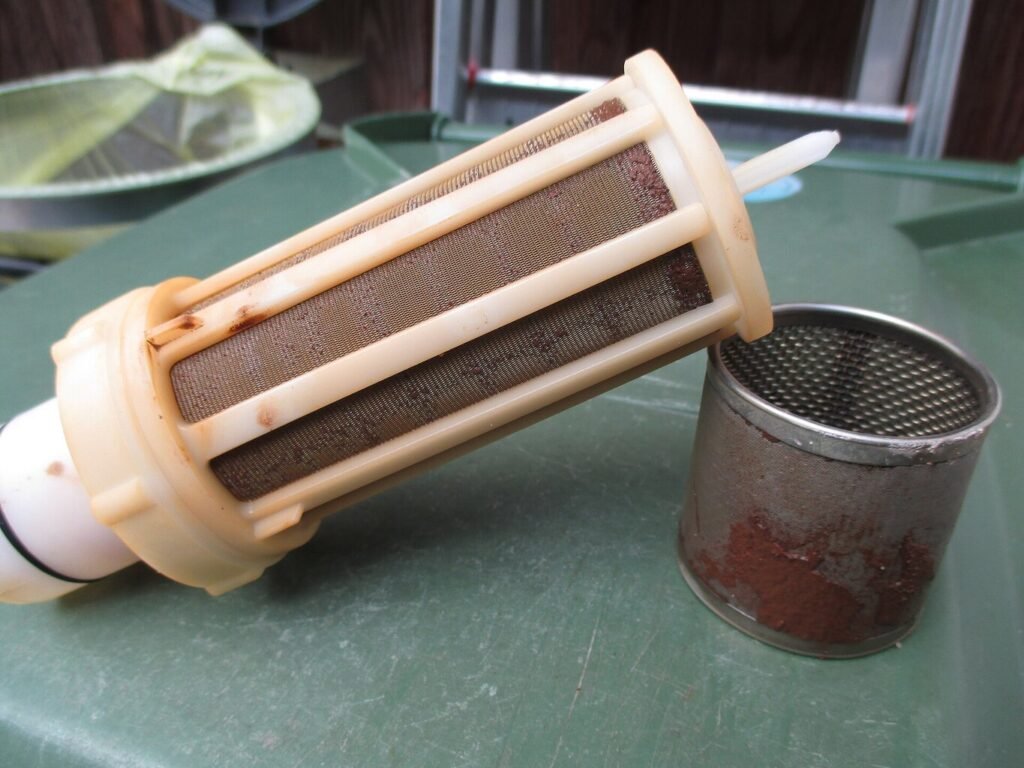
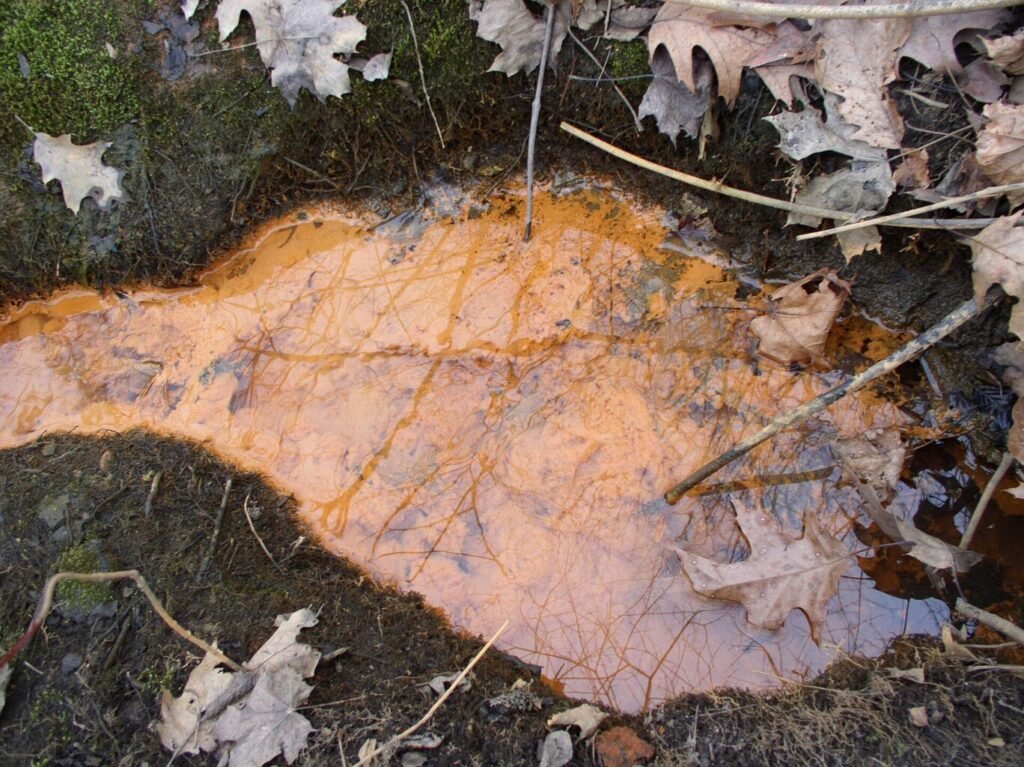
Rusty slime can raise the question of iron bacteria, but appearance alone can’t confirm it. Have the well and deposits evaluated, and keep routine drinking-water testing in place. Cleaning or treating the well is a different task from filtering water after it enters the house.
Ask a qualified well contractor about the investigation and any cleaning or treatment needed at the source. Don’t mix acids and chlorine or increase a chemical dose from an online recipe. Keep the contractor’s follow-up testing instructions with the service record.
What iron bacteria can explain, and what they can’t
Minnesota’s health department describes iron bacteria as organisms that use iron and can form rusty deposits and slime. They aren’t known to cause disease, but their presence doesn’t rule out other microbial problems. A laboratory can help confirm an iron-bacteria concern. Those distinctions matter. A nuisance explanation isn’t a complete drinking-water assessment.
Use a notebook with two headings: “What I saw” and “What has been measured.” Under the first, describe location, texture, recurrence and timing without assigning a cause. Under the second, record the laboratory, collection date, sample point and actual reported results. Keeping those columns separate makes a contractor conversation much more productive.
Ask the laboratory two separate questions
The first question is whether a suitable method is available to investigate iron bacteria in your particular situation. The second is what drinking-water testing is appropriate for the well. An iron-bacteria inquiry shouldn’t crowd out routine or event-triggered safety testing. CDC recommends annual private-well testing for total coliform bacteria, nitrates, total dissolved solids and pH, with additional testing guided by local conditions and events.
Contact a laboratory through the EPA’s state certification directory. Explain that you’re investigating recurring deposits as well as checking drinking-water quality. Ask whether each requested analysis is included in its certified scope, what bottles are required, and where the sample should be collected. Follow its instructions. A bottle or sampling method chosen for one analysis may be unsuitable for another.
A sample after an existing filter answers a different question from a sample before it. Write down the sample point and whether treatment was operating normally. If the laboratory recommends multiple locations, label them clearly rather than blending samples into one container.
Separate well remediation from household filtration
A filter can be part of a plan for water entering the house. That doesn’t make it a repair for deposits or growth inside a well. Minnesota describes professional approaches involving physical cleaning and well treatment. Repeated or combined work may be necessary. Ask the well contractor what they are trying to address at the source and how they will evaluate the result.
For the household equipment, ask a separate set of questions. Is a proposed stage intended to remove iron particles, manage a measured dissolved constituent, or serve another purpose? What conditions must the incoming water meet? How will accumulated material be removed, and who will maintain the unit? These questions prevent a single “iron filter” label from standing in for an entire investigation.
Don’t improvise an acid or chlorine mixture, increase a disinfectant dose from an online recipe, or assume that more chemical means a better result. The site-specific plan belongs with a qualified well professional, supported by applicable local requirements and follow-up testing.
Plan for recurrence before the first service visit
Choose a simple observation schedule after the professional work. The same accessible fixture, the same kind of photograph, and a note about normal or unusual household use. Keep the technician’s report and laboratory results in the same folder. This gives you a baseline rather than relying on memory months later.
Agree on what should trigger a call. A new deposit pattern, repeated loss of flow, a changed laboratory result or another event identified by the professional. If the issue returns, show the earlier records instead of assuming the original explanation and treatment still apply unchanged.
For the broader well-testing process, use our private-well testing guide. If the investigation identifies iron treatment as a separate household need, continue with the iron-filter planning guide. That order keeps the purchase tied to evidence rather than the color of a stain.