Two water test results can look contradictory while answering different questions. One may come from a strip and another from a laboratory; one may describe untreated source water and another a treated tap. Before deciding which result to trust, put their complete context side by side.
This guide helps organize that comparison. It does not interpret an unsafe result as harmless or recommend postponing precautions. Follow any instructions from the laboratory or health authority while asking for clarification.
Check that the analyte is the same
Copy the full name of each measured entry. Similar terms can describe different analyses or reporting bases. A general TDS estimate, a hardness test and a specific metal analysis should not be compared as if they measured one universal water-quality score.
Keep the complete units, symbols and qualifications. A value below a reporting limit is not a plain zero, and a result expressed on one basis should not be silently compared with a result expressed on another. Ask the laboratories to explain the entries before attempting conversions.
A useful opening question is: “Do these two entries measure the same property on a comparable basis?” That question can resolve apparent disagreement before anyone spends money on a repeat panel.
Identify exactly where each sample came from
Write the outlet or sampling point next to each result. Include whether it was upstream or downstream of identified treatment, if known. “Kitchen” is not enough if one sample came from a designated drinking tap and another from the ordinary faucet.
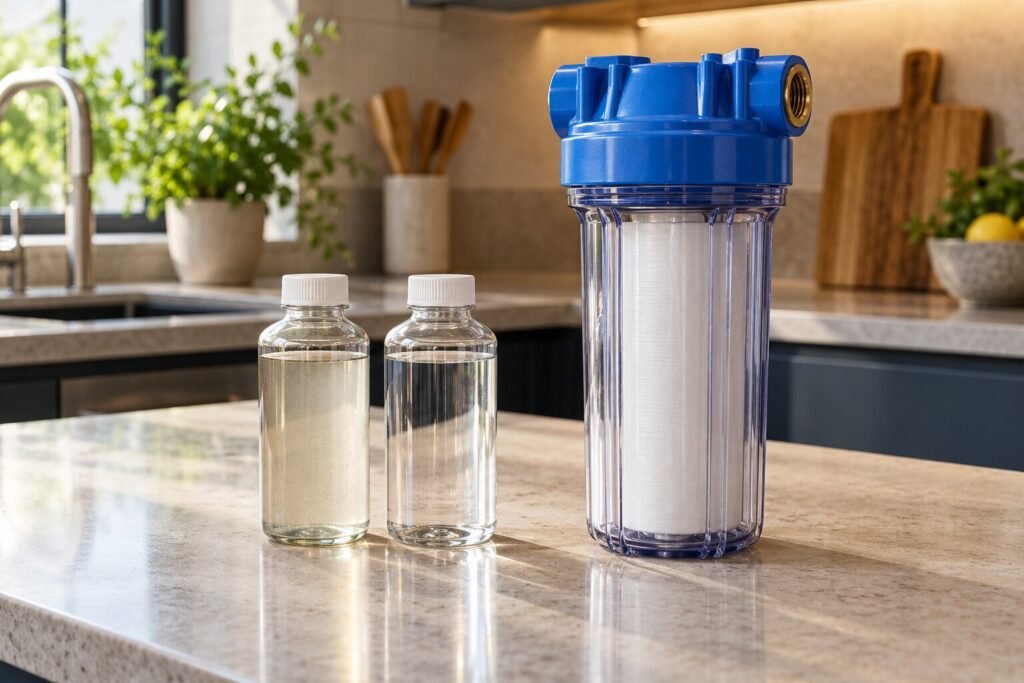
A hypothetical household might compare a raw-water sample with a result from an under-sink outlet. If treatment was intended to change the measured property, different results might be expected. The difference still needs interpretation; the locations simply show why the comparison is not automatically a contradiction.
If the points are uncertain, say so. Ask an appropriate professional to help identify the arrangement. Do not invent a plumbing relationship from photographs or operate unknown valves to reproduce a sample.
Compare timing and changes between samples
Record collection dates and relevant events. A component replacement, plumbing repair or change of source may alter the question. The timeline does not prove causation, but it helps the laboratory or professional assess whether the samples describe comparable conditions.
Keep the actual collection time separate from the date the report was issued. A PDF received today may describe a sample taken earlier. Comparing issue dates alone can hide a large difference in the sampling period.
If an annual utility report is one of the documents, read its scope and reporting period. Our water-quality report guide explains how to keep system information distinct from a particular household sample.
Ask about methods and sample acceptance
Identify whether each result came from a screening device or a laboratory analysis. Ask what the method can establish and whether the difference is meaningful given the methods used. A precise-looking display does not necessarily make a measurement more suitable for the question.
For laboratory results, ask whether either sample carried an acceptance or analytical qualification. Collection, preservation and delivery requirements depend on the analysis. The EPA sampling guidance provides context for those method-dependent requirements.
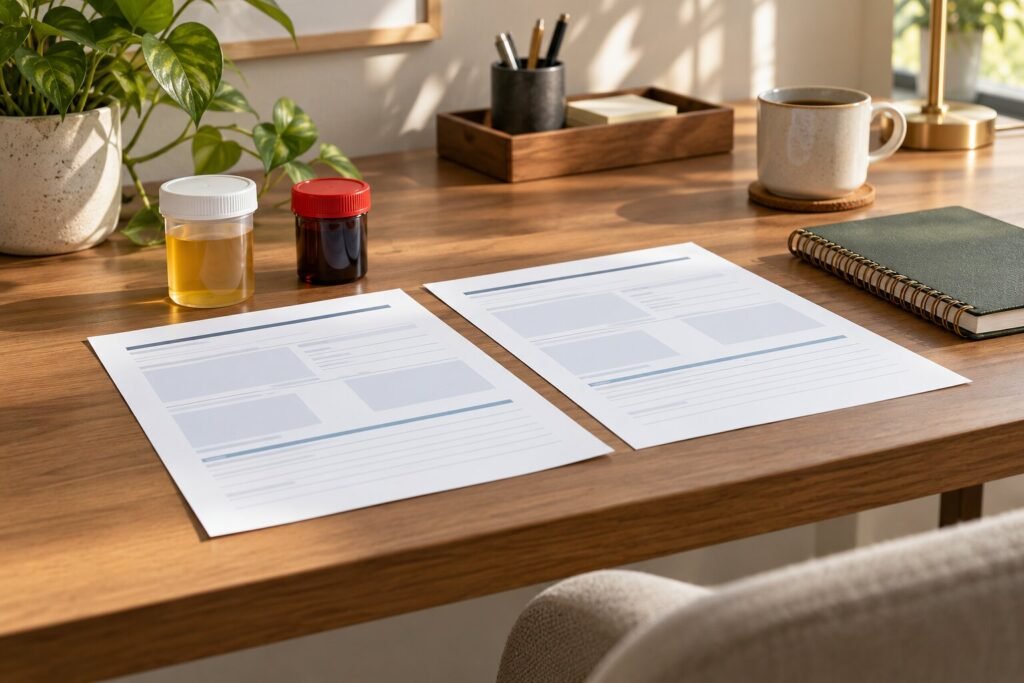
Send the complete reports to the people interpreting them. A cropped photograph of two numbers removes details they may need. Do not edit or omit a qualification because it makes the comparison harder to explain.
Avoid voting between results
Do not select the reassuring result just because it is more convenient, or the alarming result just because it supports a purchase. Ask what each result actually establishes. The right next action may be clarification, a better-defined sample or professional investigation.
Do not average unrelated readings to produce a household verdict. Averaging values from different analytes, units or sampling locations can produce a number with no useful meaning. Keep the results separate until a qualified interpreter explains whether comparison is appropriate.
If a health-related concern is unresolved, ask which precautions apply while it is investigated. A disagreement between reports is not permission to disregard instructions already given by the responsible authority.
Design a repeat only after defining the question
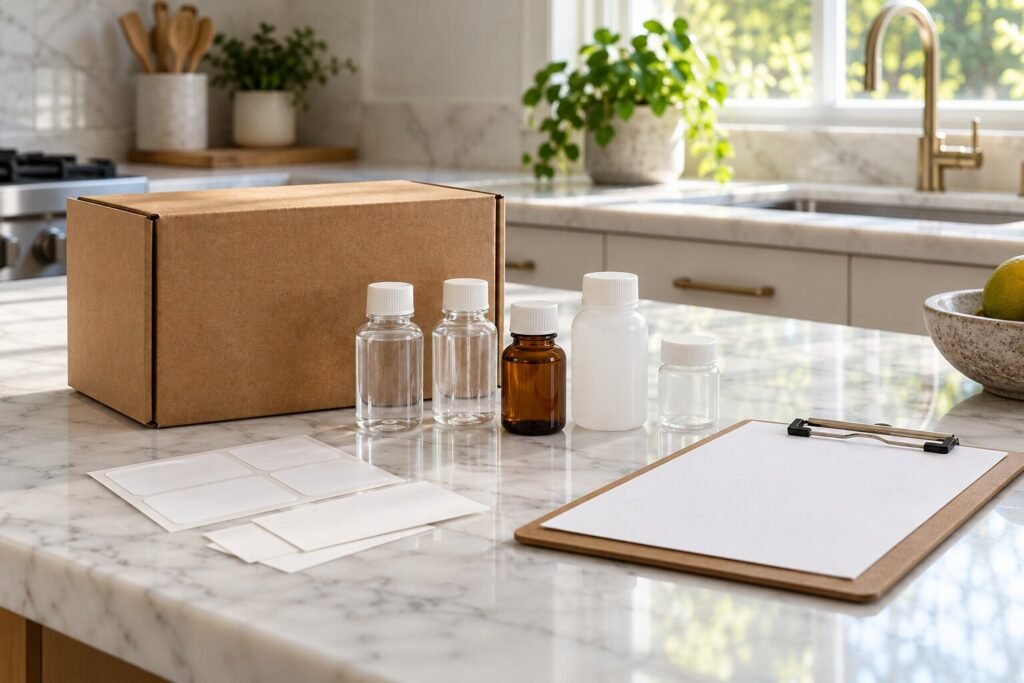
If another sample is recommended, ask what it will resolve. Identify the analyte, location, method and collection instructions before ordering the kit. A repeat is most useful when it corrects a known uncertainty rather than reproducing the same incomplete record.
Use the EPA laboratory directory to find state contacts for relevant certified laboratories. Ask about certification for the particular analysis and who can explain the result.
Agree on who receives the report and what happens afterward. Otherwise the household may end up with a third PDF and the same unanswered question. Keep the interpretation responsibility in the plan, not as an afterthought.
Save the conclusion with its limits
Write a short note describing what was resolved and what remains open. An example might say: “The entries used different sample locations; follow-up at the designated outlet is arranged.” It should not say that all household water is safe unless the responsible authority has provided the relevant conclusion.
Retain the original records alongside the explanation. Dates, units and sampling points are what make the comparison understandable later. The aim is a clear account of the evidence, rather than winning an argument between two isolated numbers.
Sources and further reading
- EPA — Certified Laboratories for Drinking Water
- EPA — Sampling Guidance for Unknown Contaminants in Drinking Water
Created with AI assistance and linked primary sources. We have not inspected your home, tested your water, or independently tested products. For safety concerns, consult your local health department or a qualified professional.
Read our editorial policy →