Water Testing
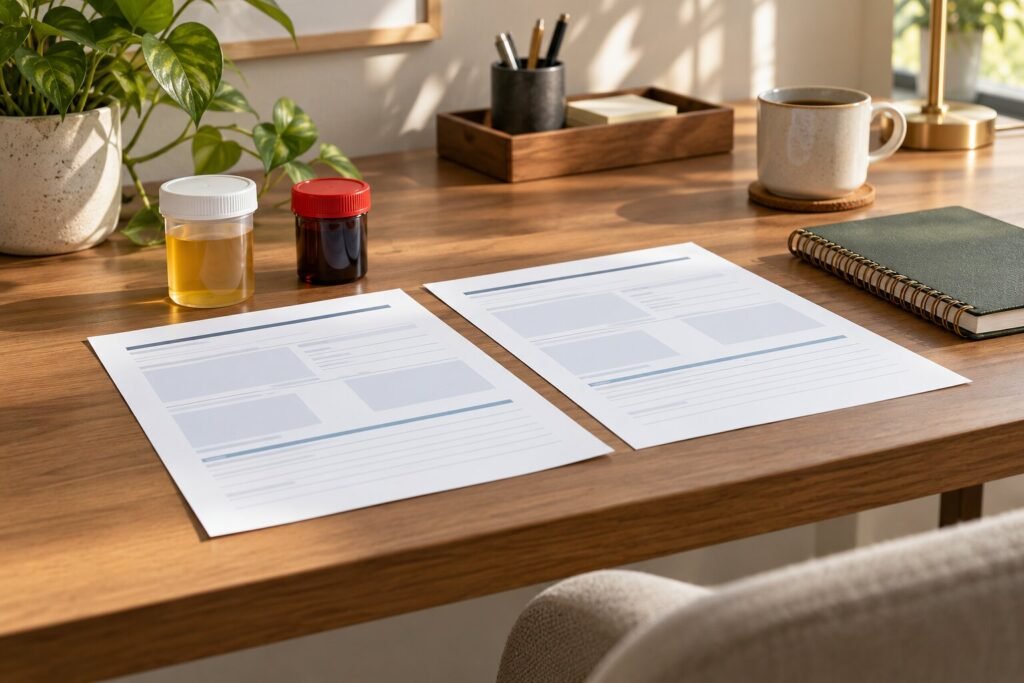
Conflicting water test results: compare the context before repeating
Check analytes, units, locations and sampling methods before choosing between two apparently contradictory readings.
5 min read Find your next step
The HandyTrail journal
Practical guides for the water you live with, every day.
Check analytes, units, locations and sampling methods before choosing between two apparently contradictory readings.
5 min read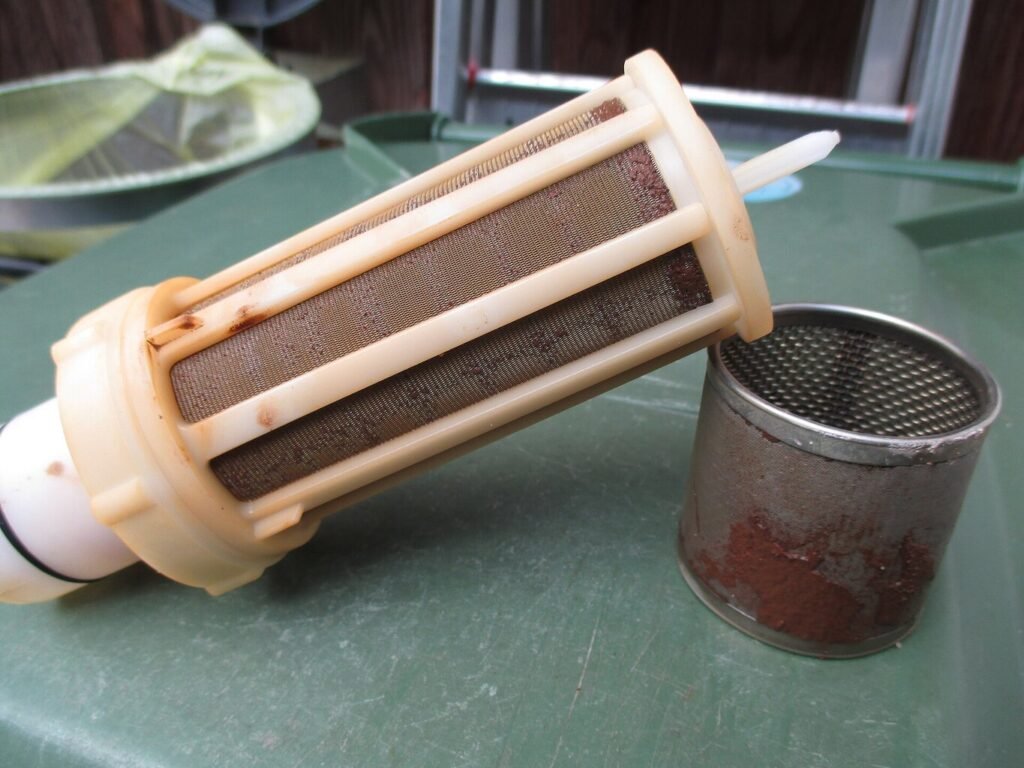
Use replacement volume, calendar limits and household consumption to make ownership assumptions visible before comparing prices.
7 min read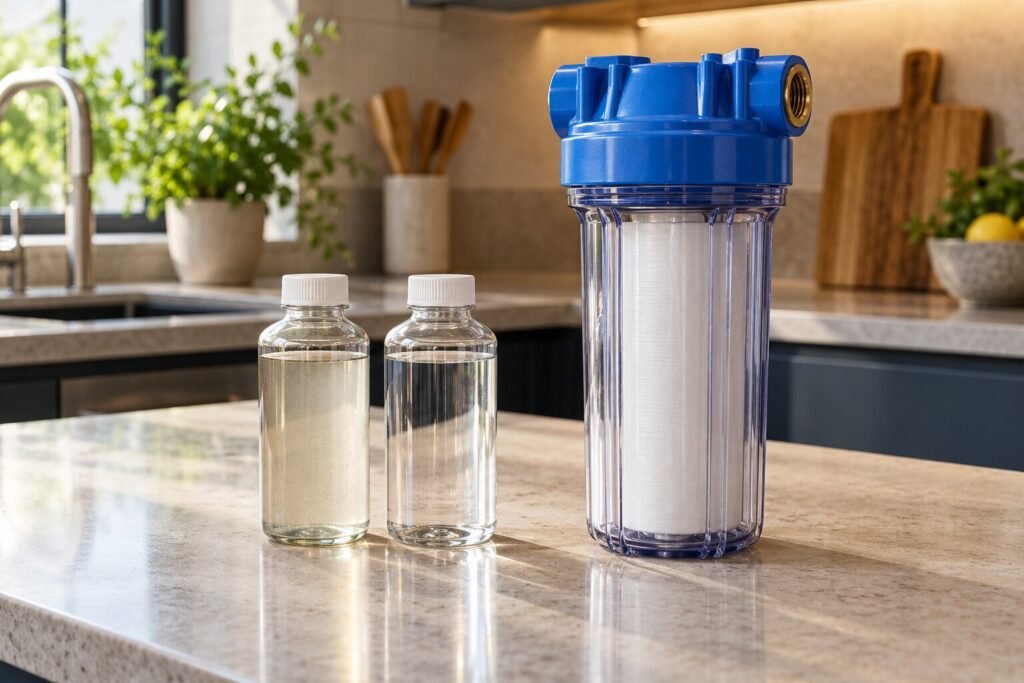
Define the intended job, sampling points and interpretation responsibilities before treating an installed device as a verified result.
7 min read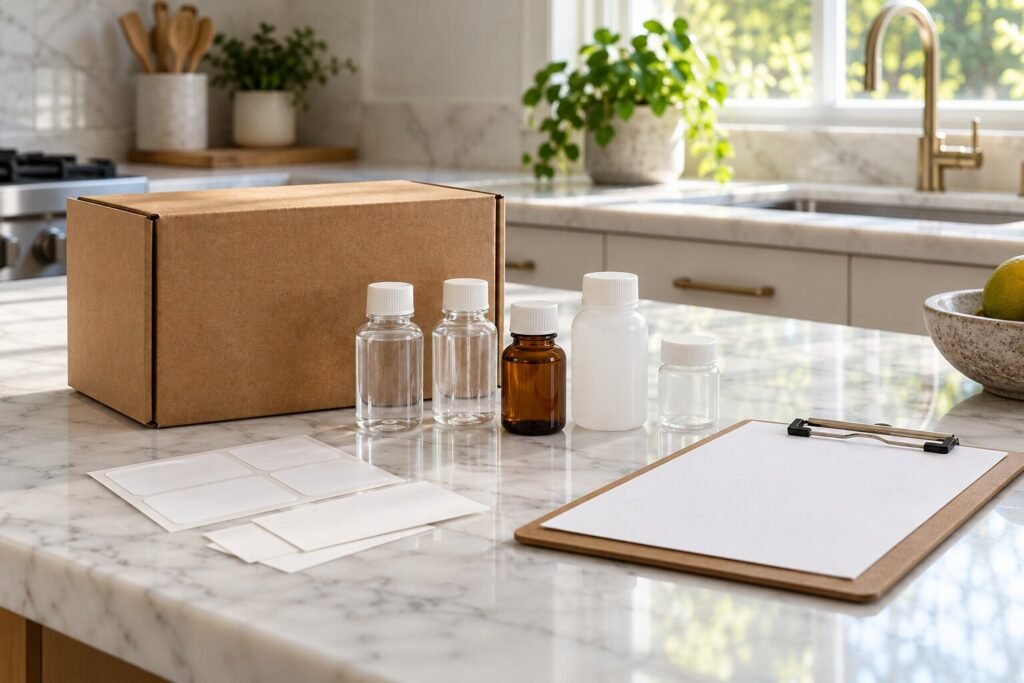
Avoid preventable bottle, label and timing problems by arranging the exact laboratory procedure before opening a sample kit.
5 min read
Find the building’s supplier, document observations and separate investigation, installation permission and optional purchases.
7 min read
Use the complete laboratory result, local advice and model-specific evidence to plan an arsenic investigation and documented handover.
8 min read
Keep the reporting basis, interim water instructions, well investigation and treatment verification visible in one planning file.
8 min read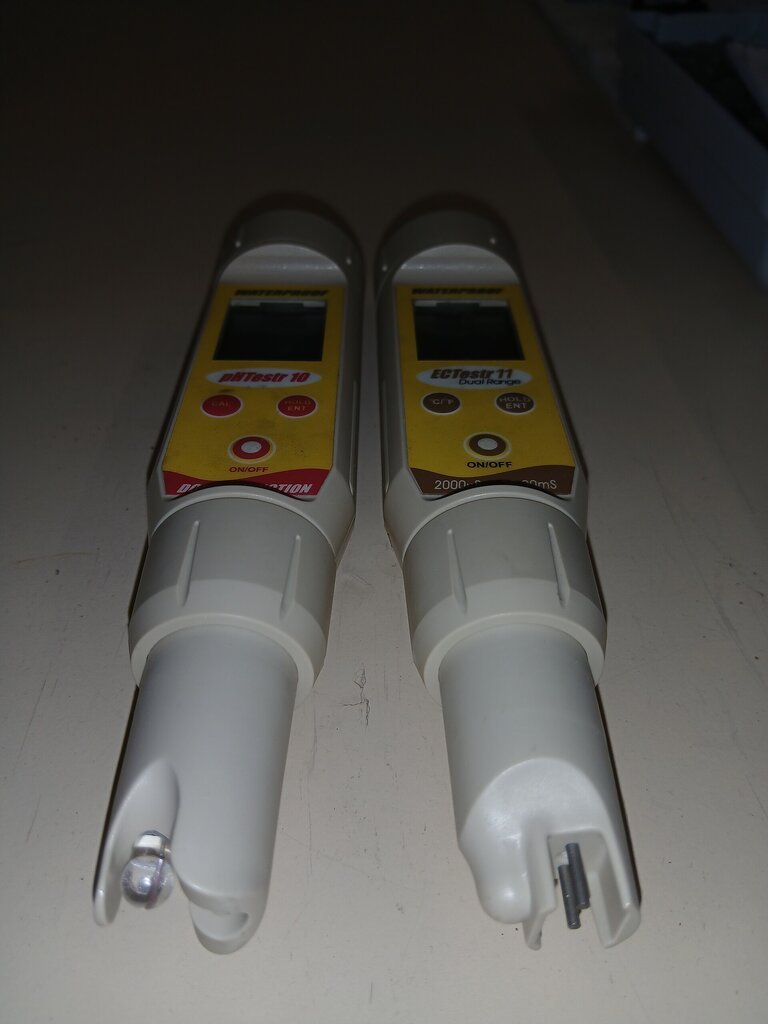
Keep three commonly confused properties separate, preserve reporting units and ask which result supports a treatment proposal.
7 min read
Understand the limits of a conductivity-based reading before using it to judge water safety or buy treatment.
5 min read