
Water Problems
Water hammer when an appliance stops. Document the closing event
Record when pipes bang near a washing machine. Distinguish closing events, pressure, support and suitable water-hammer service.

Browse by topic

HandyTrail / Home water guides for the USA
Understand signs of a water problem, choose useful tests, and compare filters and softeners for your home. Start with the question you need to answer.
A clearer place to start
Understand a problem. Choose a useful test. Find the right treatment.
Record when pipes bang near a washing machine. Distinguish closing events, pressure, support and suitable water-hammer service.
Wildfire can affect source waters and distribution pipes in different ways. Learn which local notices and recovery records matter for a home on public…

Understand data-center water demand, reclaimed cooling water and discharge records. Find the local evidence before changing household treatment.

After a water-main repair in Wales, separate restored pressure, water appearance and any advisory. Check your supplier and plan appliance or filter restart.
Read Québec boil-water, drinking-water avoidance and do-not-use advisories correctly. Match the municipal notice to your address and plan appliances and restart.

Learn how potable water reuse differs from irrigation water, what an environmental buffer means and which project records help homeowners assess a proposal.

Plan private well testing in Ontario after heavy rain. Use the correct PHO kit, confirm delivery arrangements and keep bacterial and chemical questions separate.

Keep a drinking-water sample label, lab form and delivery record consistent. Plan handoffs and laboratory deadlines without replacing the lab’s instructions.

Understand ND, reporting limits and units on a drinking-water laboratory report. Use a worked example and prepare focused questions for the lab.

Compare well-water testing costs by analytes, sampling visits, delivery and report scope. See dated lab-price examples and build a complete quote.

Read a water filter’s gallon capacity and calendar interval together. Use hypothetical arithmetic and keep the reminder tied to the exact cartridge instructions.
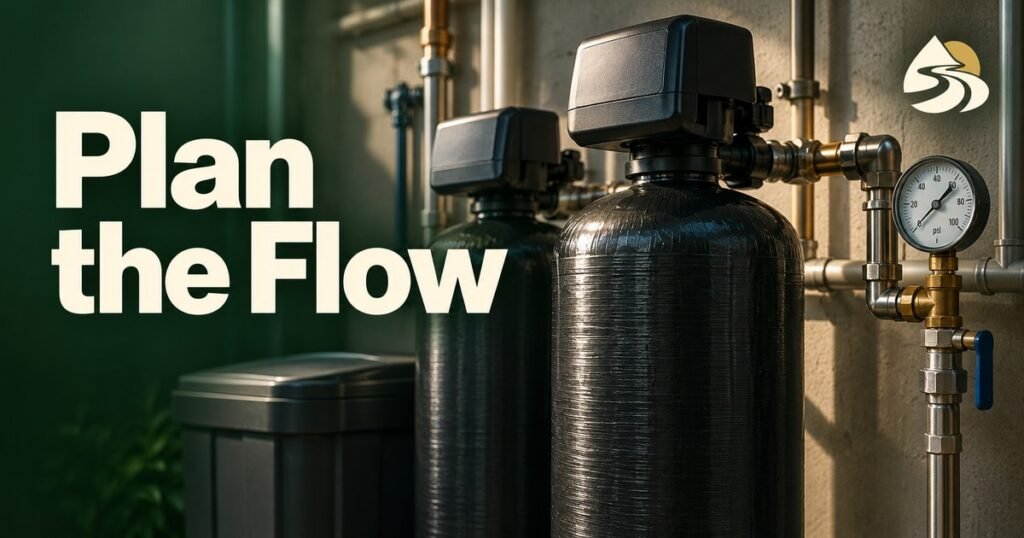
Compare whole-house treatment service flow, pressure and backwash needs. Make the complete design fit household demand and supported operating conditions.

Understand ceramic filter claims, cleaning limits, cracks and seals before choosing a cartridge for drinking water.

Compare carbon block and granular activated carbon by certified claims, flow, cartridge capacity and the maintenance your home can support.
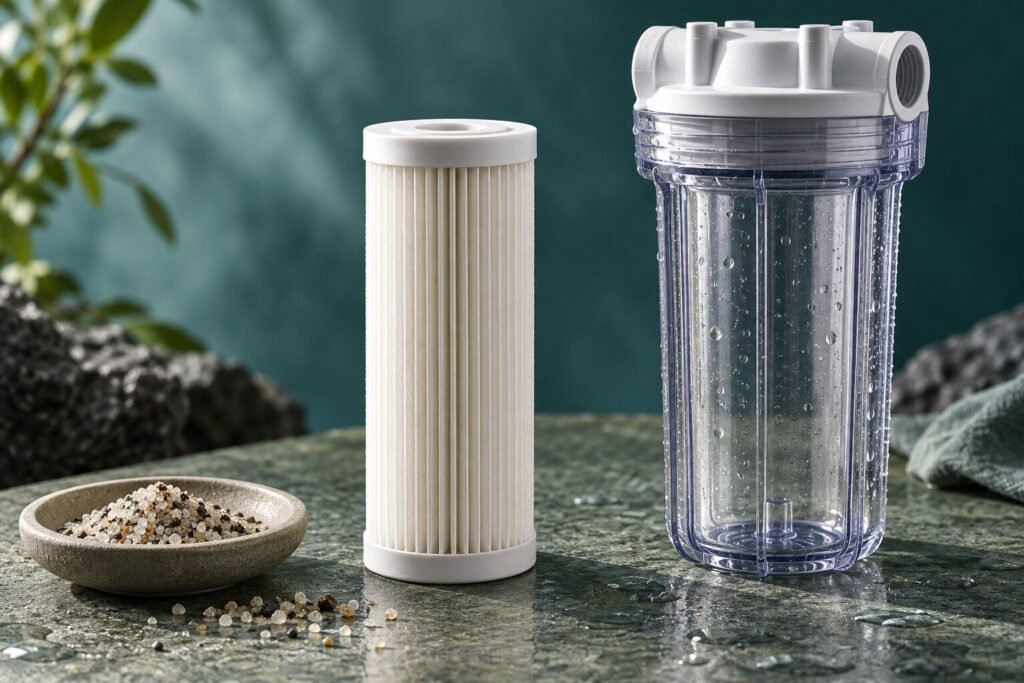
Separate particles from dissolved substances, understand why clear water can still be hard, and choose testing before changing cartridges.
Fresh from the journal
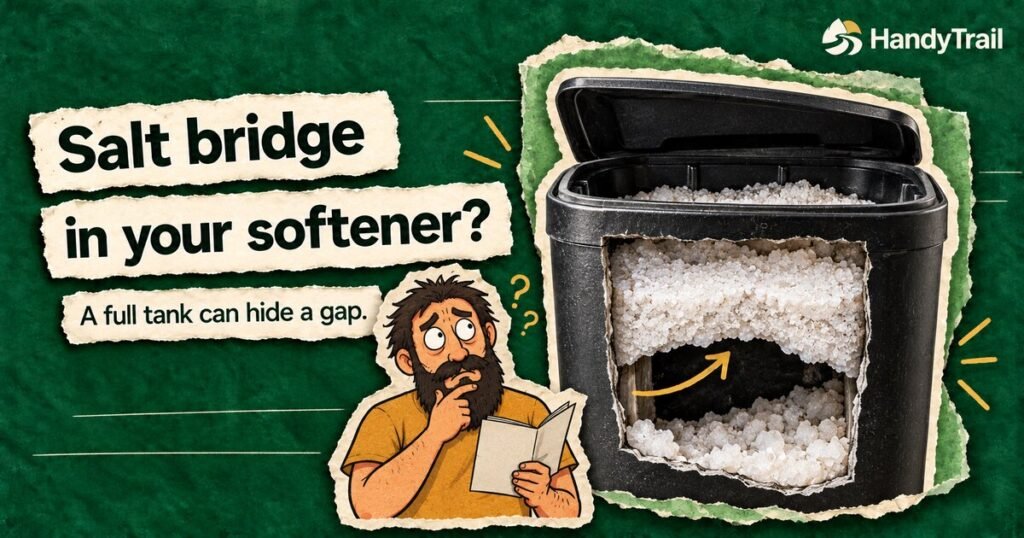
Recognize a possible salt bridge without damaging a brine tank. Review approved inspection, refill habits and softened-water verification.
Read guide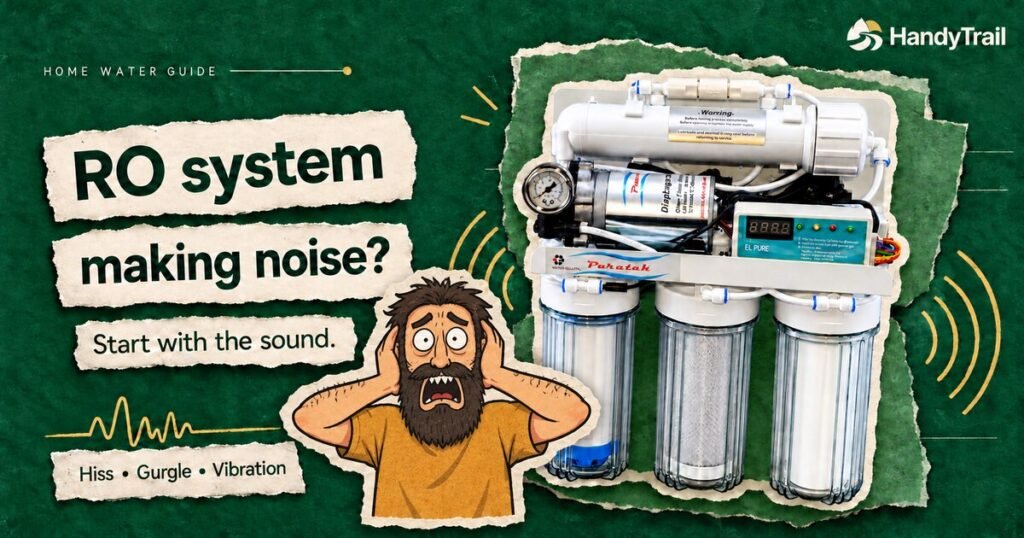
Describe RO noise by sound and operating stage. Check accessible routing and seek model-specific service for new or…
Read guide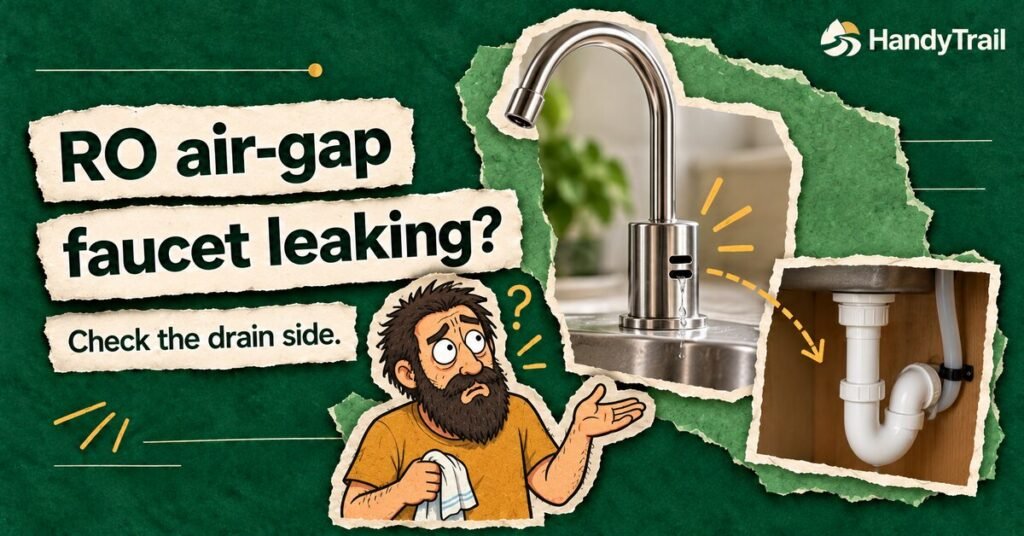
Trace an RO air-gap leak through approved drain routing and receiving-drain checks. Keep the air-gap protection intact.
Read guide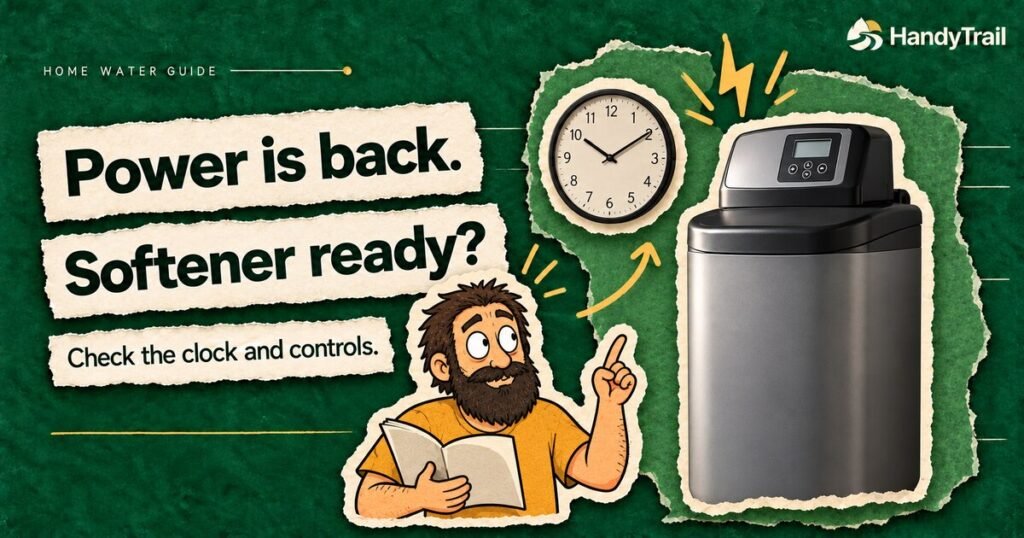
After a power outage, check the softener clock and model instructions. Keep control recovery, bypass position and other…
Read guide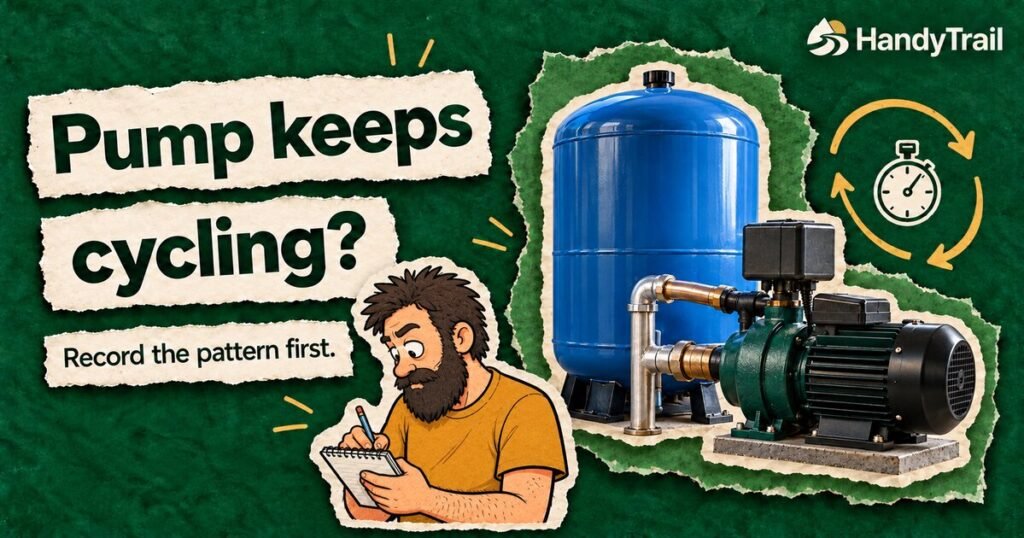
Record well-pump cycling before changing equipment. Consider drawdown, hidden water use, leaks, controls and post-repair water checks.
Read guide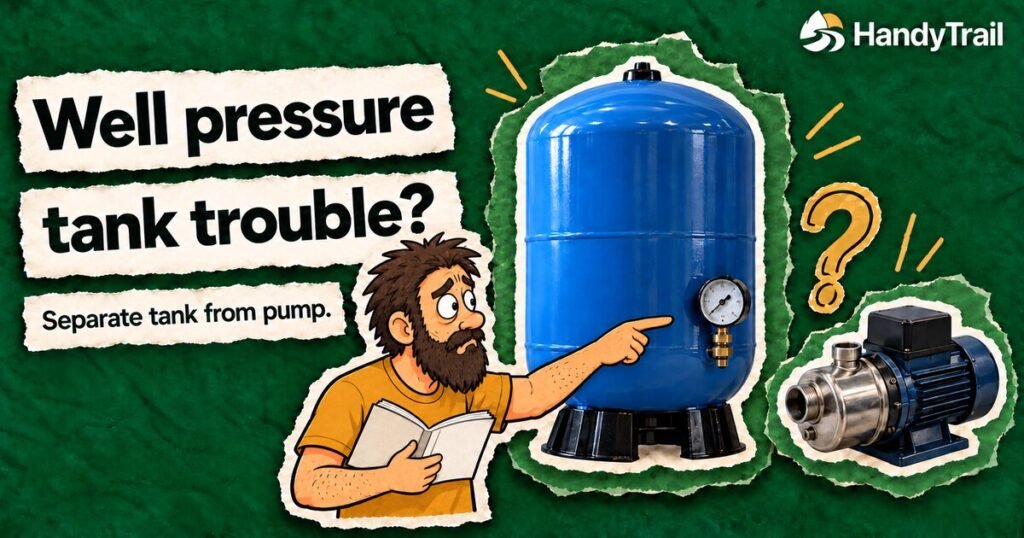
Investigate well-pressure changes without guessing tank settings. Separate tank design, drawdown, controls, leaks and safe service.
Read guide
Understand why pressure regulators and thermal expansion tanks serve different functions, and which symptoms need professional assessment.
Read guideRecord when pipes bang near a washing machine. Distinguish closing events, pressure, support and suitable water-hammer service.
Read guide
A water heater pops or rumbles. Record the pattern, separate scale from other causes and compare safe service…
Read guide
One faucet running slowly? Identify its aerator, use the correct cleaning method and check whether the restriction belongs…
Read guideFollow the first clue
Choose the issue you’ve noticed.
Find out what to check first.
Scale on fixtures or cloudy glassware? Start with a hardness measurement.
Explore the guide 02Learn why the form of iron matters before choosing treatment.
Explore the guide 03Trace hot and cold water patterns before buying a filter.
Explore the guide 04Create a testing routine around your source and local conditions.
Explore the guideInside your water system
See how water can move from its source
to the places you use it every day.
A simplified illustration, not an installation plan. Equipment, order, and treatment needs depend on your test results, local requirements, and the exact system.
A useful little tool
One report uses mg/L. Another uses grains per gallon. Convert the units before comparing the readings.
How to get a useful hardness result1 gpg is approximately 17.1 mg/L as CaCO₃. This converts units, not water safety or system size. Your input stays in your browser.
Explore the full toolFresh from the journal
Practical home water explanations, useful questions and a clearer next step.
Maintenance & troubleshooting
Recognize a possible salt bridge without damaging a brine tank. Review approved inspection, refill habits and softened-water verification.
Read article
Maintenance & troubleshooting
Describe RO noise by sound and operating stage. Check accessible routing and seek model-specific service for new or unsafe symptoms.
Read article
The homeowner’s edit
Record when pipes bang near a washing machine. Distinguish closing events, pressure, support and suitable water-hammer service.
Learn how potable water reuse differs from irrigation water, what an environmental buffer means and which project records help homeowners assess a proposal.
Read a water filter’s gallon capacity and calendar interval together. Use hypothetical arithmetic and keep the reminder tied to the exact cartridge instructions.
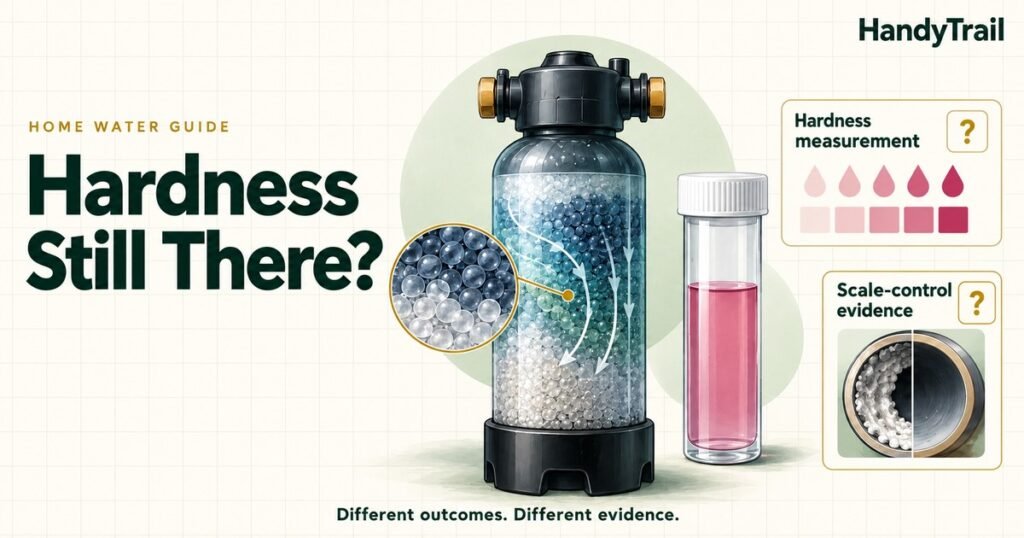
A hardness test may still read hard after a salt-free conditioner. Separate mineral removal from scale-control claims and ask how the right outcome is…
Less guessing. More clarity.
Start with your concern.
Choose the next step that answers it.
Find your next water topic
Make sense of the sample point, the units and the question behind the result. Better treatment decisions begin here.
Find the treatment job first. Then explore the performance claims, operating conditions and upkeep that matter.
Explore hardness, ion exchange and the practical responsibilities of living with a softener.
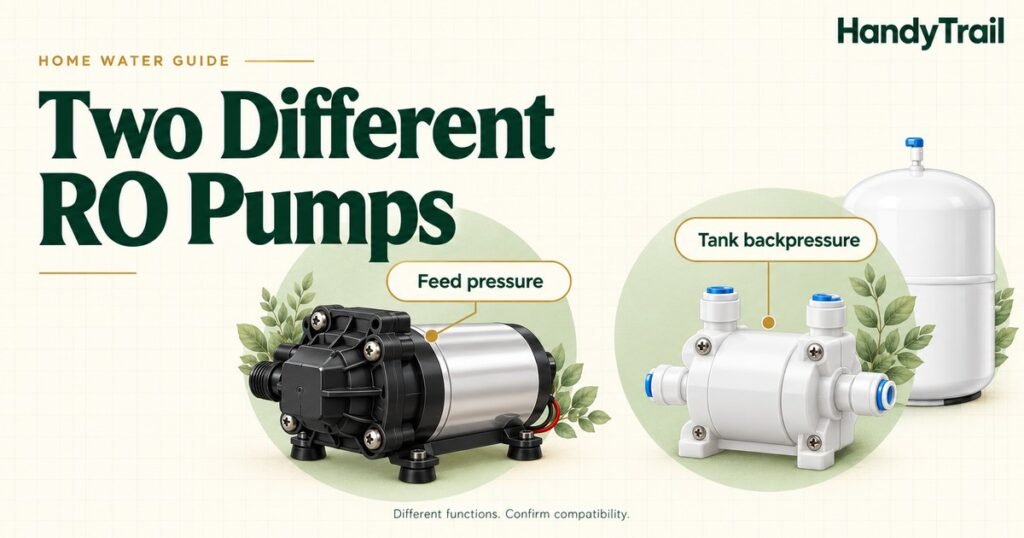
Understand point-of-use RO, product-specific reduction claims and what efficient operation means for your home.
Our point of view
No one-size-fits-all recommendations. Just clear explanations, useful questions, and links to the evidence behind them.
How we create our guidesExplore the details