Test a private well at least once a year for total coliform bacteria, nitrates, total dissolved solids, and pH, as CDC recommends. Your local health department can identify other tests for your area. Don’t wait for the annual date if flooding, repairs, or a change in the water raises a concern.
Call the lab first. It can tell you which bottles to use, where to collect the sample, and how quickly it needs to arrive. A clean household jar isn’t a substitute for the lab’s kit.
Start with the annual baseline
CDC guidance recommends checking a private well at least once a year for total coliform bacteria, nitrates, total dissolved solids, and pH. Ask your local health department about other tests relevant to your area. Geology, nearby land use, and regional contamination concerns can change the appropriate panel.
Hardness, iron, or a sulfur smell may justify additional investigation, but they shouldn’t replace the safety-related baseline. A treatment company’s sales demonstration is also not automatically equivalent to a laboratory assessment.
Know when the calendar isn’t enough
CDC also identifies circumstances that warrant testing beyond the annual routine. Changes in taste, odor, or appearance, work on the well, flooding or other disruption, and suspected contamination deserve attention. Explain the event to the health department or lab so they can advise on suitable tests and timing.
If there is a current safety concern, get prompt local guidance about whether to use an alternative water supply while the issue is investigated. Don’t use the absence of a smell as reassurance. Different contaminants require different responses, and this guide can’t determine whether your particular well is safe.
Call the lab before filling a bottle
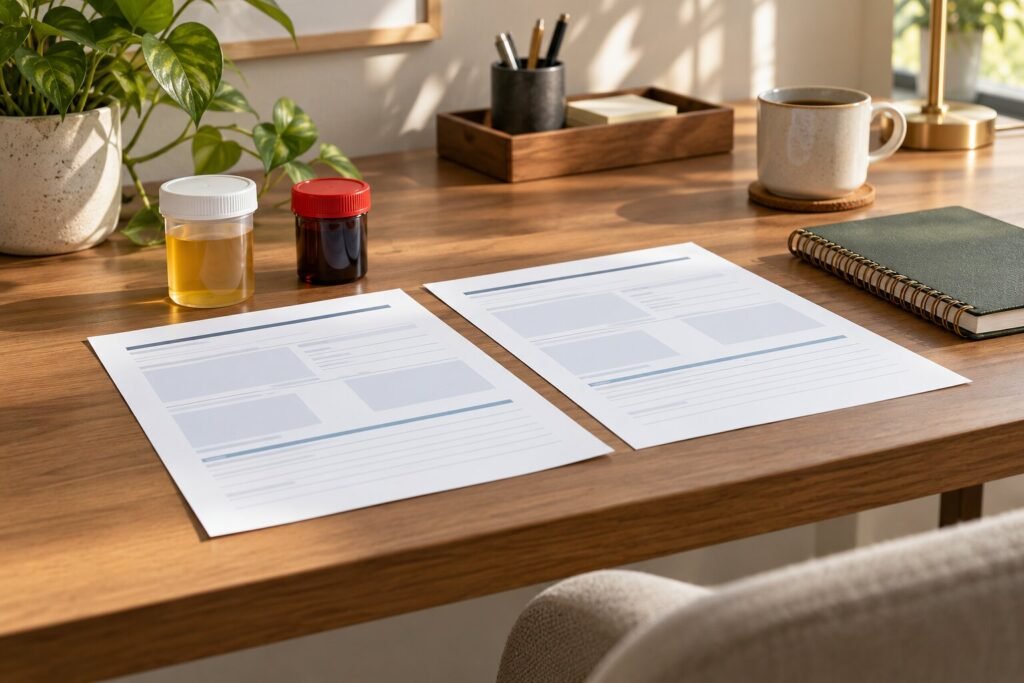
A certified laboratory should supply or specify the correct containers and collection instructions. Ask about sample location, any preparation required, holding times, delivery hours, and total cost. The instructions for one test may not be suitable for another.
- Describe your well and any existing treatment.
- Explain whether you need untreated source water, treated tap water, or both evaluated.
- List the symptoms or events that prompted the test.
- Confirm which tests are included and what each result can answer.
- Ask who can help interpret an unexpected result.
Use the EPA’s state certification-program directory to find the relevant laboratory resources. “Certified” needs context. Confirm the lab can perform the tests you actually need, rather than relying on a general marketing label.
Read results as a set of separate findings
A report contains several measurements, not one overall score. Check the units, sample date, sampling point, laboratory notes, and any comparison values supplied with the report. An acceptable result for one parameter doesn’t cancel a concern involving another.
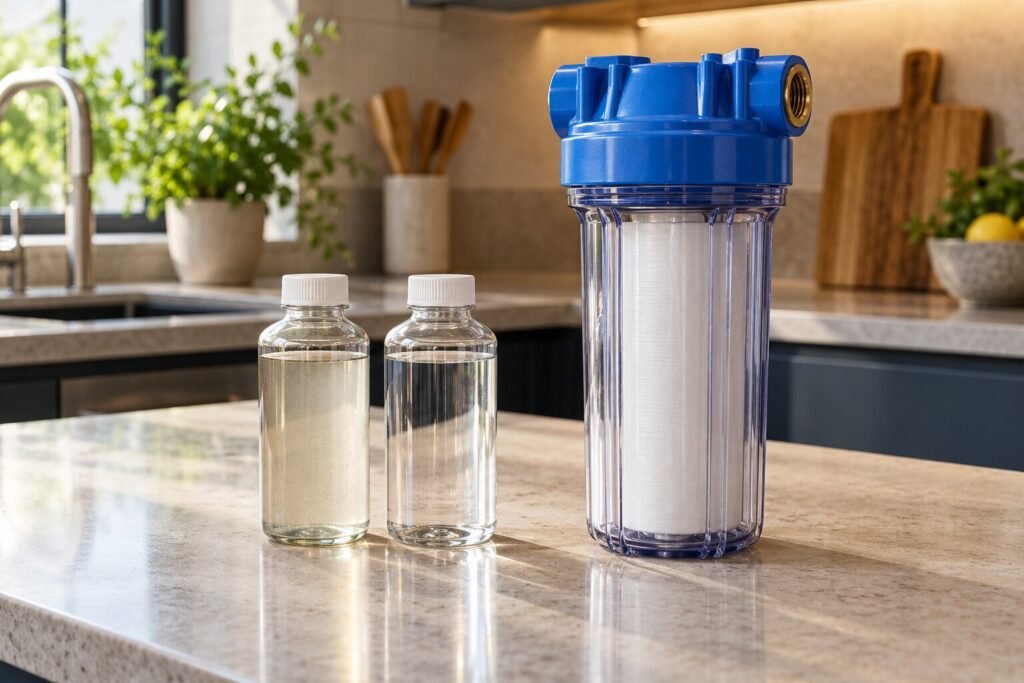
Before purchasing equipment, identify the specific substance or condition a proposed system is supposed to address. Ask for the exact reduction claim, maintenance requirements, and a way to verify performance after installation. A sediment cartridge, carbon filter, and softener do different jobs.
Keep the record useful next year
Save the original report alongside the sample location, well-work dates, treatment changes, and maintenance records. This makes it easier to explain what changed when a later result differs. A brief table with date, test panel, lab, treatment status, and follow-up action is enough to begin.
Don’t treat a past result as a lifetime guarantee. Wells and surrounding conditions can change. A routine plan is useful precisely because it gives you another opportunity to spot those changes.
Where to go next
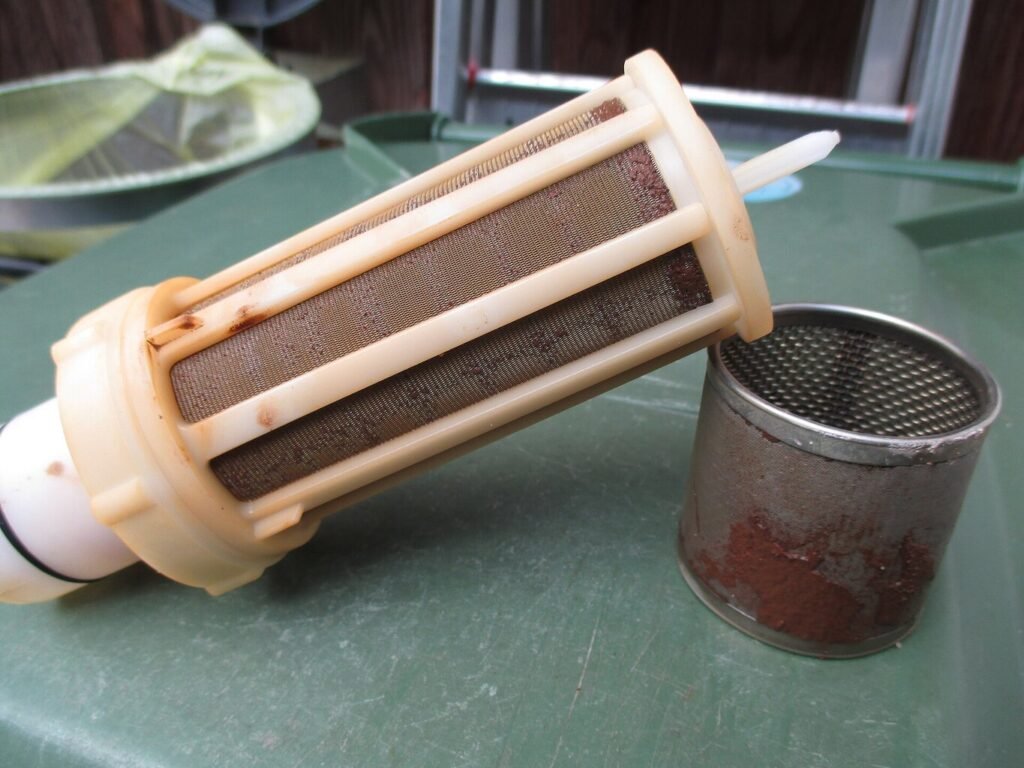
For mineral deposits, add a hardness measurement. For orange or brown staining, read about iron in well water. For a rotten-egg smell, the sulfur-odor guide explains why comparing hot and cold taps can help organize the investigation.
Those guides help you ask better questions. The actual testing plan and response to an unsafe result should be settled with the relevant local professionals.
Sources
- CDC: Guidelines for Testing Well Water
- EPA: Certified Laboratories for Drinking Water
- CDC: About Choosing Home Water Filters
This guide is AI-assisted and includes reference links. We haven’t tested your water or independently tested products. Follow local health advice and the instructions for your own equipment.
Read our editorial policy →