Match a refrigerator filter to the appliance’s complete model number and permitted cartridge. Then check the cartridge’s actual reduction claims. Two replacements that look alike may differ in compatibility, performance evidence, and service instructions.
A status light helps track service. Resetting it doesn’t change the cartridge or confirm water quality. Complete the manual’s replacement and flushing procedure, check for leaks as directed, and keep the part number and date.
Find the refrigerator model before ordering a filter
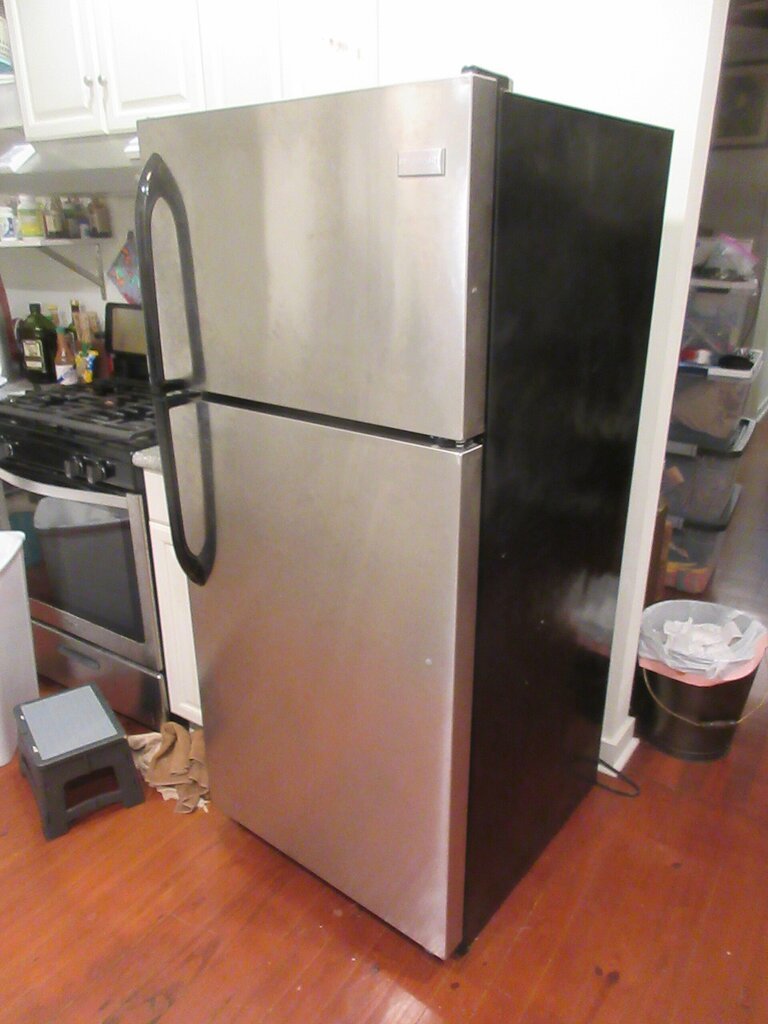
Use the appliance’s model identification and its manual or official support lookup. Write down the full model, not only the brand or the name printed on the front door. Then identify the permitted cartridge and any manufacturer instructions for a replacement or approved alternative.
A cartridge that looks similar isn’t enough. Check the connection, the exact part number and the documented compatibility. If the seller offers a compatible product, ask what supports that claim and whether the appliance manufacturer places any conditions on its use.
Take a photograph of the model label for your own records and keep the previous cartridge’s part number. Don’t post a full appliance identification photograph publicly if it includes details you don’t need to share. A clean record helps the next replacement purchase avoid the same research from the beginning.
Decide which treatment claim matters
Start with the concern. A taste preference, a particular measured substance or another defined objective. Then verify the exact filter model’s listed claims. NSF’s standards guidance explains why certification scope matters. A logo or standard number doesn’t mean that every model addresses every contaminant.
EPA’s lead-filter tool is a useful example of this specificity for point-of-use and pitcher products. A lead-reduction claim has to be tied to the relevant certified product and conditions. Don’t transfer a claim from that tool to a refrigerator cartridge that isn’t identified there or independently listed for that purpose.
If your concern is lead or another health-related contaminant, ask the laboratory and local health officials about appropriate sampling and treatment selection. The refrigerator’s existence isn’t evidence that its dispenser is the right solution for that concern.
Use a short replacement checklist
| Check | What to record |
|---|---|
| Appliance compatibility | Complete refrigerator model and permitted cartridge identification |
| Treatment evidence | Exact filter model, listed claim and where it was verified |
| Purchase source | Seller, date, receipt and manufacturer packaging information |
| Service instructions | Manual procedure, replacement trigger and flushing instructions |
| After installation | Leak check and any manufacturer-specified checks |
| Next service | Date or other trigger applicable to this model |
If a listing combines several cartridge versions in one page, make sure the claims you’re reading apply to the version you’re buying. A photograph of one package and a specification table for another is a reason to ask the seller for clarification before ordering.
Don’t infer authenticity from a low price, a high price or a familiar-looking box alone. Purchase through a source you can identify, retain the receipt, and use the manufacturer’s guidance if there is a concern about a replacement product.
Replacement intervals are model-specific
GE’s refrigerator support guidance commonly discusses replacement at six months or at the rated capacity, with the applicable model information governing the service requirement. That’s a manufacturer example, not a rule for every refrigerator or every replacement cartridge. Read your own manual and cartridge instructions.
Write the applicable trigger in a household reminder with the part number. If more than one person uses the dispenser, make the record accessible so the next person doesn’t reset the reminder without doing the service. A date entry should say what was actually changed, not simply “water checked.”
A light or counter can remind you to act. It doesn’t replace the manufacturer’s procedure or a laboratory test for a particular concern. Reset it only as directed after the correct service work, rather than using the reset as a way to postpone the task.
Follow the actual installation and flushing procedure
Follow your model’s removal, installation, flushing, and leak-check instructions. A cartridge that looks familiar may still use a different connector or procedure.
Have the appropriate manual available before starting. If the cartridge won’t seat as instructed, leaks, or creates another unexpected problem, stop and use the manufacturer’s support or a qualified appliance professional. Forcing a connector isn’t a substitute for checking the part and procedure.
Afterward, record the cartridge model and installation date, complete the instructed checks, and retain the receipt. If the appliance has a filter status reset, follow its directions. A successful reset is an administrative step, not proof that a particular reduction claim is being achieved in your household.
Investigate slow flow without blaming the new cartridge immediately
If dispenser flow changes, note when it started and whether it coincided with replacement or another household event. Check the correct model documentation and contact support with the appliance and cartridge information. Don’t assume that a change in flow proves the cartridge is exhausted or counterfeit.
Ask whether the issue should be handled as cartridge service, an appliance problem or a plumbing supply problem. A precise symptom description helps the professional choose the next check. Keep any earlier service record rather than replacing several parts at random.
If support proposes an approved bypass for troubleshooting, clarify what it means for the water you use. Don’t bypass treatment selected for a health concern without appropriate advice.
Related guides
Sources
- GE Appliances , Refrigerator Water Filter Replacement.
- NSF , Standards for Water Treatment Systems.
- EPA , Consumer Tool for Identifying Filters Certified to Reduce Lead.
This guide is AI-assisted and includes reference links. We haven’t tested your water or independently tested products. Follow local health advice and the instructions for your own equipment.
Read our editorial policy →