Read the original notice and follow the instructions for your address. Boil-water, do-not-drink, and do-not-use advisories are different. Don’t assume that boiling or a household filter is an acceptable response to every notice.
CDC advises against drinking or using water from appliances connected to the water line during any drinking-water advisory. Check the notice for other affected uses and the steps needed after it is lifted. Don’t rely on the refrigerator filter.
Read the original notice, not only a forwarded message
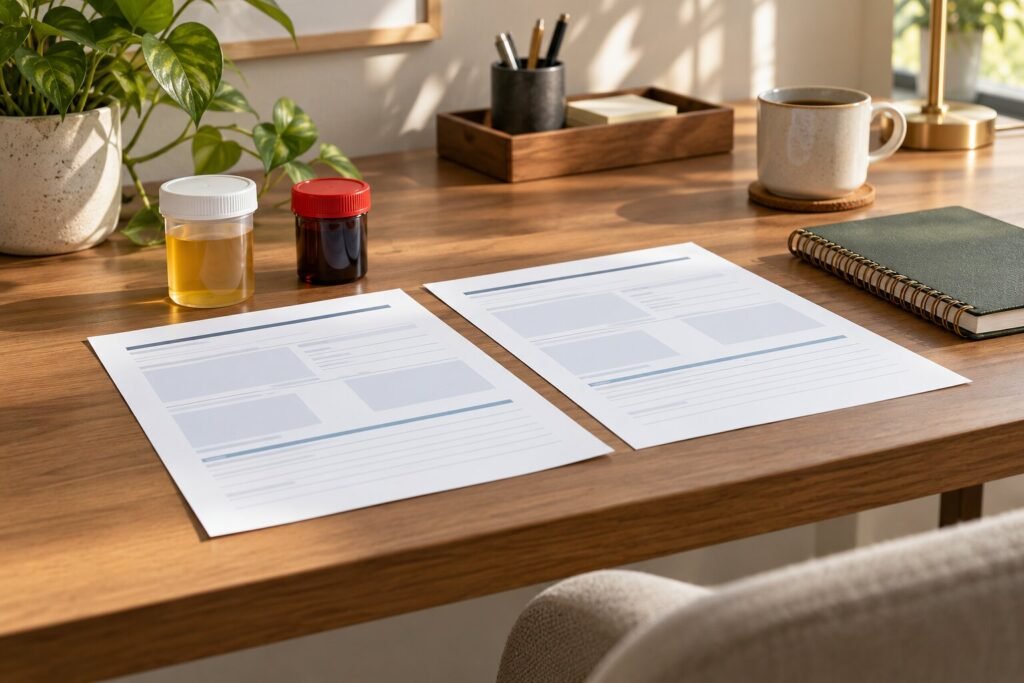
Save the issuing authority, affected area, issue time, advisory type and official update channel. A screenshot in a neighborhood chat may omit a later revision or describe a different service area. Check the original source before applying it to your home.
Make a short note of what the notice asks residents to do. If an instruction is unclear, use the authority’s contact route. Don’t fill the gap with the procedure from a previous event whose cause may have been different.
Keep a copy where everyone in the household can find it. A plan known by one person doesn’t help someone who later fills an ice tray or prepares food without hearing the conversation.
The advisory types are different
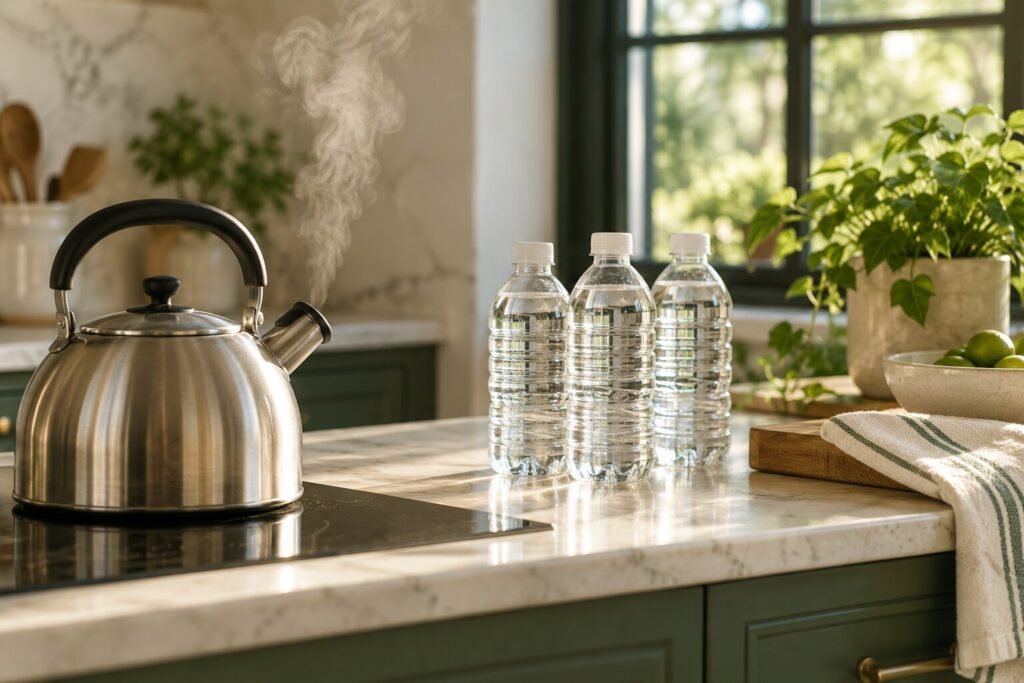
CDC distinguishes boil-water, do-not-drink and do-not-use advisories. Boiling can address germs in the context of a boil-water notice. It doesn’t make chemical or toxin concerns safe. A do-not-use notice can restrict contact as well as consumption. Follow the current local notice instead of treating the three labels as interchangeable.
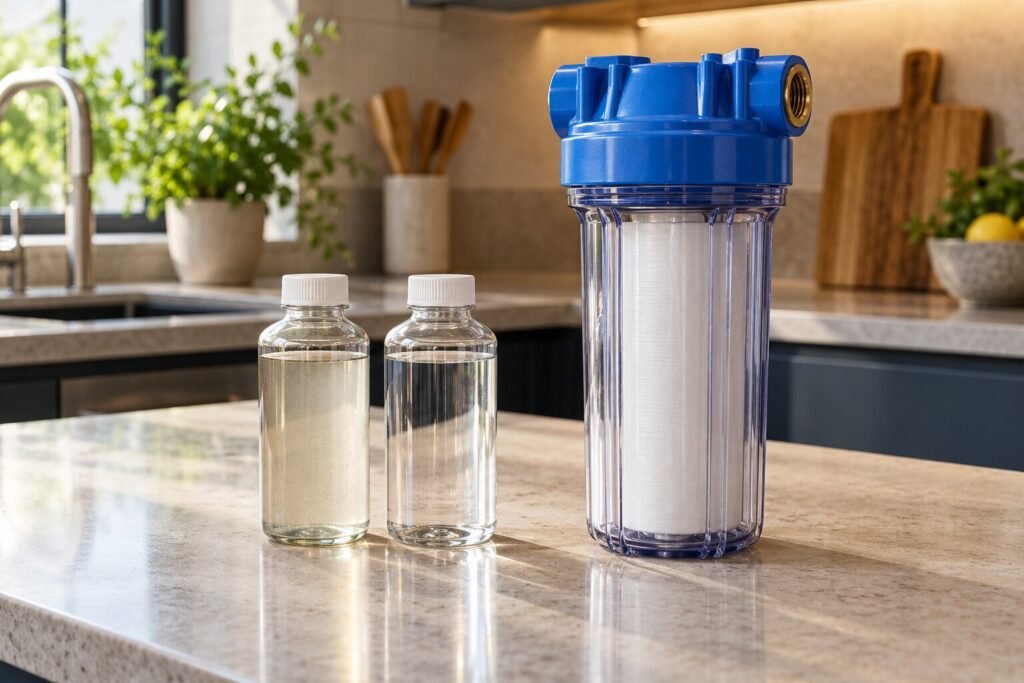
CDC also warns against using water or ice from appliances connected to the water line during an advisory. Ordinary household or pitcher filtration doesn’t replace boil-water instructions. These are important boundaries for a household that normally relies on a dispenser or filter.
| Notice information | What to put in the household plan |
|---|---|
| Advisory type | The exact type named by the authority |
| Affected location | Confirmation that the home is in the stated area |
| Current restrictions | The actual instructions, not a remembered summary |
| Appliances | Connected outlets that must be handled under the notice |
| Updates | The official route for revised instructions and the all-clear |
This table is an organizer, not a replacement set of restrictions. Copy the applicable instructions from the notice into the plan rather than assigning your own rule to each label.
Map the ordinary water uses in the house
Walk through the day’s routine on paper. Drinks, food preparation, brushing teeth, ice, pets and any other use covered by the notice. Identify who is responsible for explaining the instructions to children, visitors or another person who may miss the update.
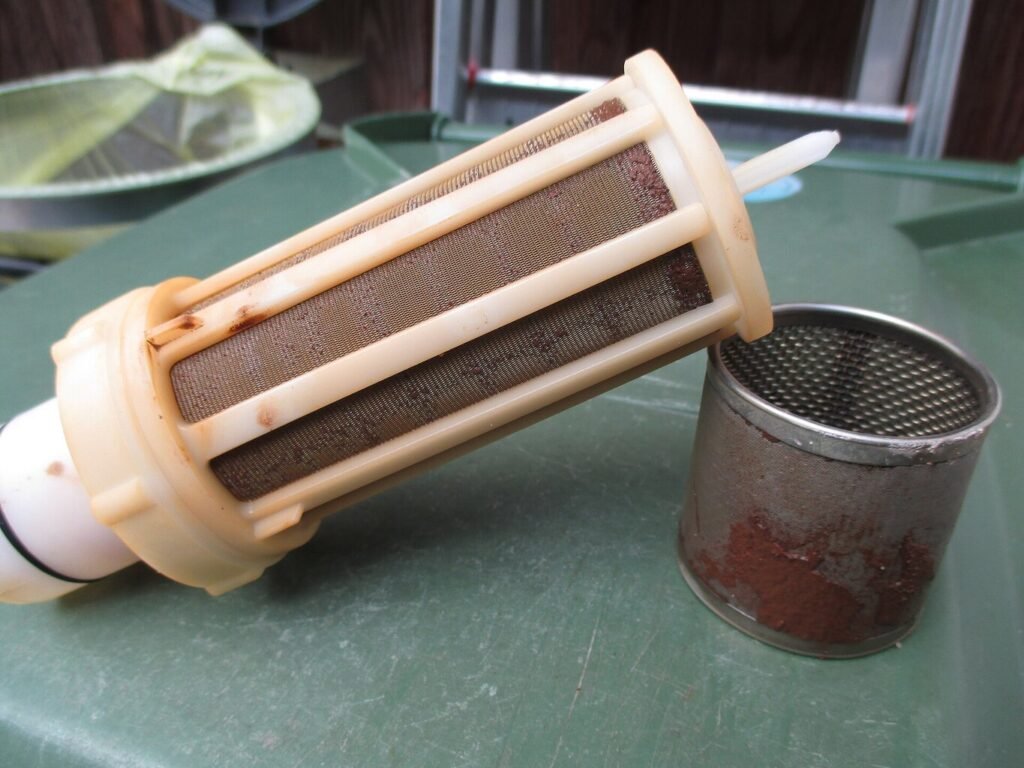
List appliances and outlets connected to the supply. The refrigerator dispenser is easy to remember. Another person may overlook a connected ice maker or another device. The current notice and manufacturer instructions should determine the response and any later service tasks.
Don’t assume a household filter changes the advisory’s scope. Its normal product claim doesn’t authorize ignoring an emergency notice. The refrigerator-filter guide explains why a cartridge and reminder aren’t a general water-safety verdict.
Organize supplies without creating an alternative treatment claim
Check what the actual notice directs residents to use and how the household can obtain it. Plan for the people and uses covered by that instruction. Avoid relying on a product purchase as though it were an approved substitute for the notice’s response.
Use the current official recommendations for supplies and water use during the event. Follow the storage instructions for any water or supplies you obtain.
Put the current instruction where everyone using the kitchen or bathroom can see it. That helps avoid a fresh decision at every faucet.
Keep the return-to-use instructions
An all-clear may come with instructions for flushing, connected appliances or other tasks. Read and retain the actual update. Don’t assume the end of the notice means every device should be returned to use without checking what the authority and manufacturer say.
Record any work performed and obtain appropriate help where the task is unclear. Use model-specific instructions for equipment rather than a universal filter-replacement rule. A dated note helps the next technician understand what happened during and after the event.
For a private well affected by a local event, ask the health department or appropriate professional about the relevant inspection, sampling and return-to-use plan. The public-system all-clear may not answer a separate private-well question.
Related guides
Sources and product documentation
This guide is AI-assisted and includes reference links. We haven’t tested your water or independently tested products. Follow local health advice and the instructions for your own equipment.
Read our editorial policy →