Clarity starts with a test.

Water Testing.

Make water-treatment decisions around relevant results, not just taste or appearance.

11 published guidesSource-linked explanations
Explore this topic
A clearer kind of home

Explore the details

More on water testing.

Water Testing

Water quality questions for renters

Find your rental's water supplier, ask the manager for relevant records, and discuss testing and permitted filters without making plumbing changes first.

6 min read
Water Testing

What a TDS meter can and can’t tell you

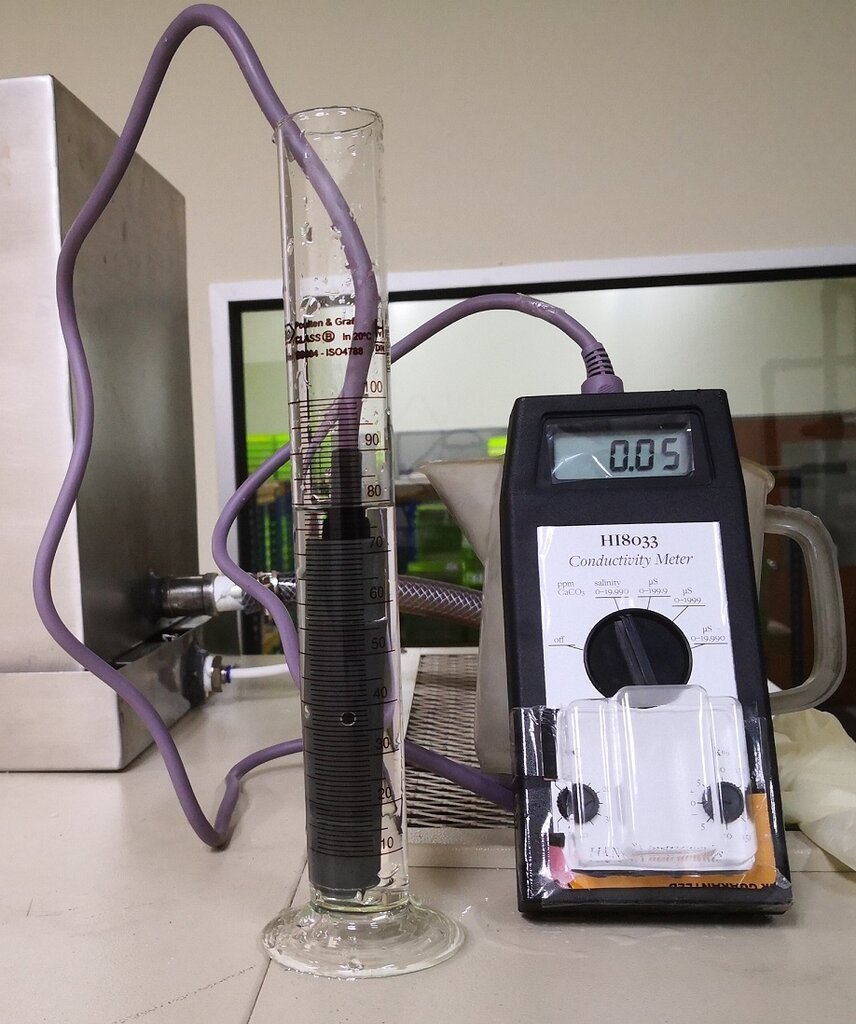
Learn what a TDS meter measures, why its number isn't a safety score, and how to use it within an RO manufacturer's monitoring instructions.

4 min read
Water Testing

pH, alkalinity, and hardness explained

Understand pH, alkalinity, and hardness as separate properties and keep their units and purpose clear when discussing treatment.

5 min read
Water Testing

How to read your water quality report

Find the right Consumer Confidence Report and understand dates, units, limits, and questions that may need a household sample.

6 min read
Water Testing

How to read a well-water lab report

Understand ND, reporting limits, units, and sample notes so you can discuss a well-water lab result without losing context.

4 min read

The bigger picture

About this topic

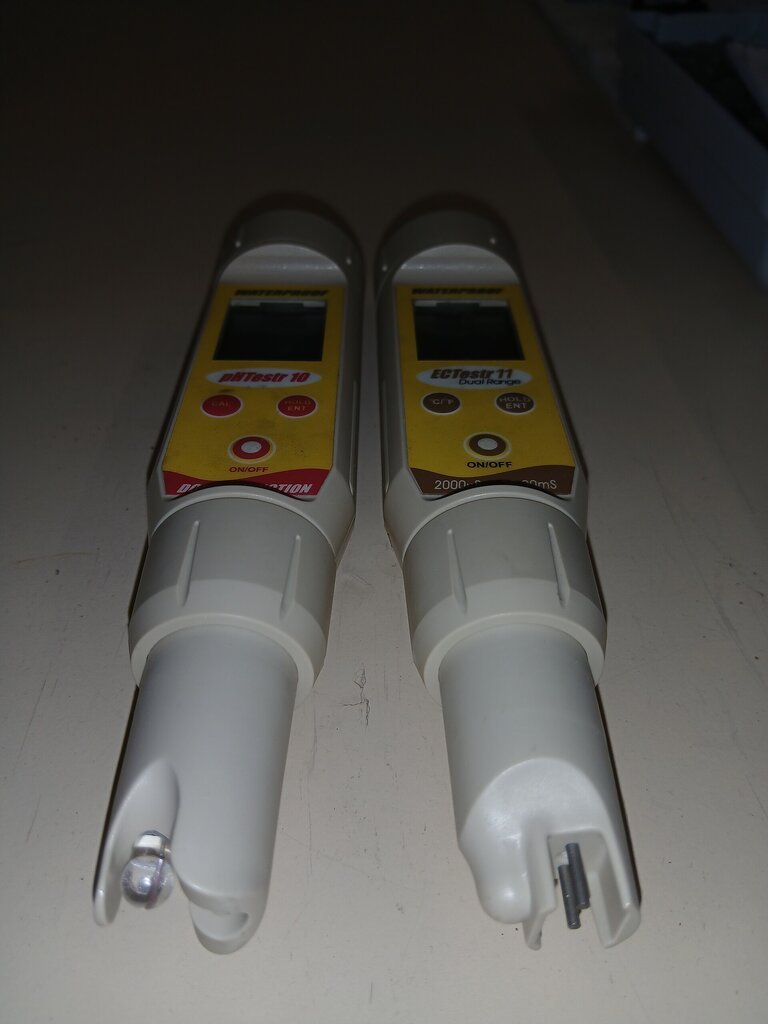
A hardness kit, a TDS meter, and a laboratory panel answer different questions. Choose the test around the concern, and keep the sample location and units with the result.

Public water or a private well?

For public water, find the supplier’s annual report and any current notices. A concern involving your own plumbing may still need a household sample. For a private well, begin with our annual testing guide and local health advice.

Before you fill a bottle

Contact the receiving lab for its collection and delivery instructions. Ask which analyses are included. A result for one substance doesn’t describe everything in the water, and a low hardness reading doesn’t establish drinking-water safety.