The best water pipe for a U.S. home depends on where it will run, the water it carries and the rules for that installation. For ordinary indoor hot-and-cold distribution, potable-water PEX is a useful first option to discuss with a plumber where permitted. Copper is another candidate when the water chemistry and installation details suit it. A buried service line or a treatment-unit connection needs its own specification.
Use the state table below to identify climate questions, then narrow the choice using your address, utility information, water results and the equipment manual. It is a starting comparison, not a list of materials approved by every jurisdiction. A coastal house and a mountain home in the same state can need very different protection.
Compare the job before comparing the material
Separate indoor distribution, the supply line from the utility or well, and connections around filters, softeners or other treatment equipment. A material accepted for one job is not automatically suitable for the others. Ask for the pipe's exact product designation, applicable potable-water listing, size and installation method, along with the fittings that complete the system.
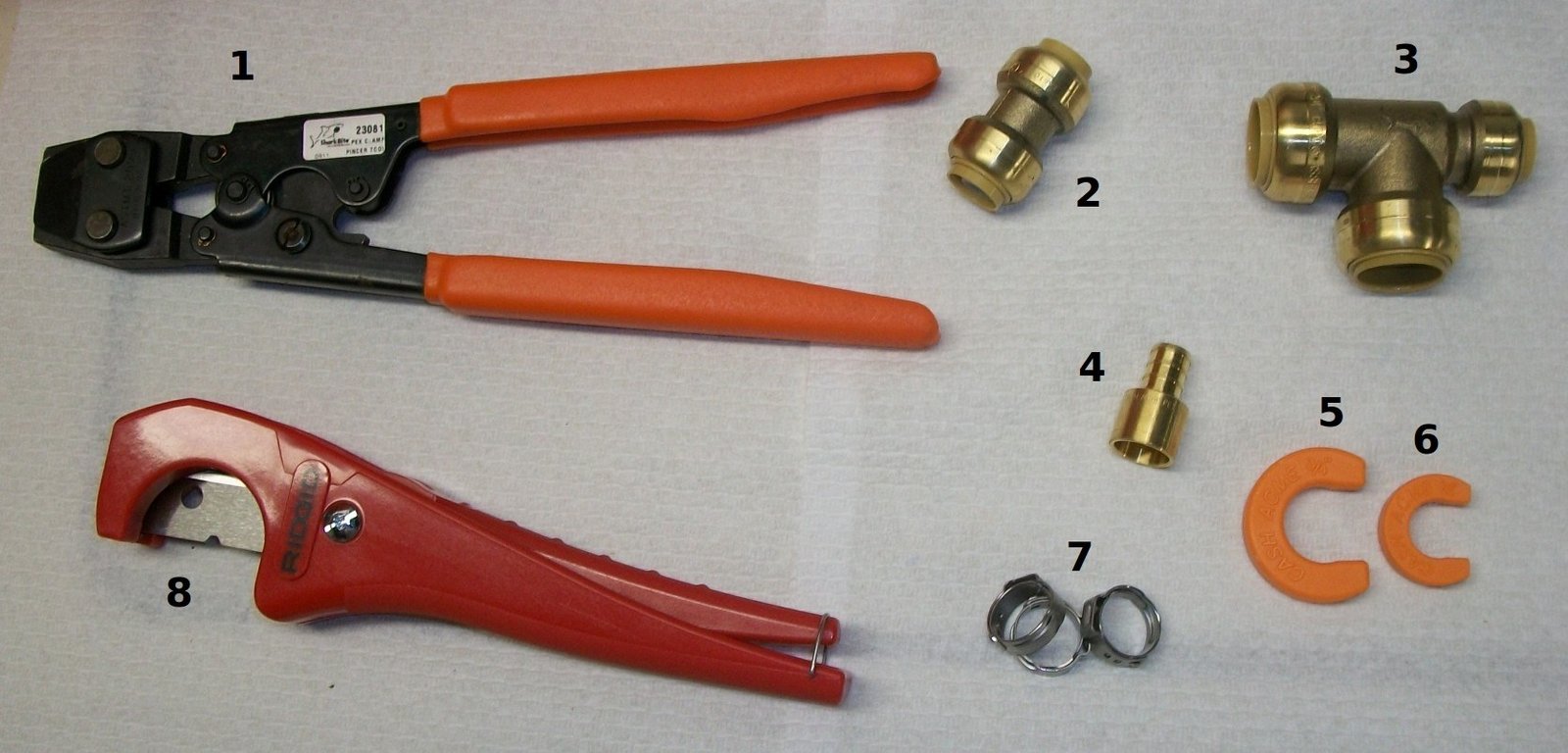
PEX is crosslinked polyethylene. The Plastics Pipe Institute's PEX overview describes its hot-and-cold distribution applications, flexibility and relevant standards. PEX-A, PEX-B and PEX-C identify manufacturing methods; those letters are not a simple best-to-worst quality ranking. Check the specified joining system rather than assuming every PEX fitting works with every tube.
Copper deserves a local chemistry and design discussion, especially where there is existing copper plumbing or a documented corrosion issue. Plastic avoids corrosion of the plastic tube itself, but a system can still include metal fittings, valves and equipment. The EPA's corrosion-control guidance concerns drinking-water systems and reinforces why corrosion decisions involve treatment and water chemistry. It is not a homeowner recipe for dosing chemicals.
CPVC and other listed materials may appear in a local contractor's proposal. Ask for the product documentation and the code basis for that particular use. PVC, CPVC, PEX and polyethylene are different materials; do not accept “plastic pipe” as the whole specification. A pipe's color or its use in an irrigation display is not proof of drinking-water or hot-water suitability.
Cold weather changes the route and protection
No material choice makes a water-filled pipe freeze-proof. The American Red Cross explains that freezing water can put pressure on both metal and plastic pipes. It highlights exposed lines, unheated spaces and poorly protected exterior-wall routes.
For a cold-weather project, ask where the pipe runs, what protects it and how the building is managed during an outage or absence. A claim that PEX can tolerate some freezing conditions is not permission to leave it exposed. Buried depth, insulation, approved heat tracing where appropriate and winterization are installation questions for the local professional; a national table cannot set them for your address.
These questions also apply in states with generally mild winters. An exposed hose connection, pool supply or unheated garage can experience conditions very different from a heated room. Record which sections remain water-filled during a cold period and who handles seasonal shutdowns.
Heat, sunlight, soil and coastal exposure
Outdoor exposure needs more than an indoor temperature rating. Ask for the exact product's sunlight limits, permitted outdoor use and protection requirements. PEX's published standards include weathering and ultraviolet-related information, but the allowable exposure must come from the product documentation. Do not use a national climate label to invent a universal number of safe days in sunlight.
For buried pipe, have the installer check utility requirements, soil conditions, burial and bedding details, and compatible transitions. Metal components may need a corrosion assessment appropriate to the environment. A coastal address raises exposure questions, but proximity to the ocean does not prove that the tap water is salty or that every underground pipe is corroding.
Flooding, wildfire damage or a water-supply interruption can also change what needs inspection or testing. Follow the utility or health authority's current advice after an event. Buying a different pipe material does not resolve a drinking-water advisory.
State-by-state starting points
The climate prompts below draw on the NOAA State Climate Summaries. They identify conditions to check at the actual property, not statewide water-quality diagnoses. “Compare PEX/copper” refers to indoor potable distribution candidates, subject to local approval and the conditions above. A buried line and treatment connection remain separate decisions in every state.
| State | Climate questions at the property | Starting material comparison and water check |
|---|---|---|
| Alabama | Coastal storms; occasional cold spells | Compare PEX/copper; check source notices and exposed routes |
| Alaska | Long cold periods; remote supply arrangements | Compare PEX/copper; check protected routing and well records |
| Arizona | Desert heat; cold higher elevations | Compare PEX/copper; check heat/UV protection and measured hardness |
| Arkansas | Winter cold and heavy rainfall | Compare PEX/copper; check exposed lines and well conditions after flooding |
| California | Coast, desert and mountain climates | Compare PEX/copper; check exact site exposure and actual supplier chemistry |
| Colorado | Cold elevations; seasonal supply variation | Compare PEX/copper; check freeze protection and source-specific results |
| Connecticut | Winter cold; coastal exposure | Compare PEX/copper; check protected routing and existing corrosion concerns |
| Delaware | Coastal flooding; winter cold | Compare PEX/copper; check source notices and outdoor protection |
| Florida | Heat, coastal storms and flood exposure | Compare PEX/copper; check UV protection; investigate salinity only where relevant |
| Georgia | Hot summers; occasional freezing | Compare PEX/copper; check outdoor routes and property water records |
| Hawaii | Island and elevation differences; coastal exposure | Compare PEX/copper; check outdoor ratings and the actual supply |
| Idaho | Cold winters; elevation differences | Compare PEX/copper; check freeze protection and well results where applicable |
| Illinois | Cold winters; heavy rainfall | Compare PEX/copper; check unheated routes and actual water chemistry |
| Indiana | Winter cold; heavy rainfall | Compare PEX/copper; check freeze protection and measured hardness |
| Iowa | Cold winters; flood exposure | Compare PEX/copper; check winter routing and well advice after flooding |
| Kansas | Cold winters, heat and drought | Compare PEX/copper; check exposure at both temperature extremes |
| Kentucky | Winter cold and heavy rainfall | Compare PEX/copper; check protected routes and supplier or well records |
| Louisiana | Coastal storms, flooding and occasional freezes | Compare PEX/copper; check flood advisories and exposed sections |
| Maine | Cold winters; coastal exposure | Compare PEX/copper; check winter routing and any well corrosion concerns |
| Maryland | Coastal and mountain differences | Compare PEX/copper; check exact location and source-specific chemistry |
| Massachusetts | Winter cold; coastal exposure | Compare PEX/copper; check unheated spaces and existing metal plumbing |
| Michigan | Cold winters; lake-influenced conditions | Compare PEX/copper; check protected routing and actual supplier results |
| Minnesota | Very cold winters | Compare PEX/copper; check freeze protection and verified treatment needs |
| Mississippi | Heat, storms and occasional freezing | Compare PEX/copper; check outdoor routes and flood-related advice |
| Missouri | Winter cold, summer heat and flooding | Compare PEX/copper; check unheated sections and actual source conditions |
| Montana | Cold winters; elevation variation | Compare PEX/copper; check freeze protection and well-specific chemistry |
| Nebraska | Cold winters, summer heat and drought | Compare PEX/copper; check protected routes and measured water properties |
| Nevada | Desert heat; cold elevations | Compare PEX/copper; check UV/heat limits and actual hardness results |
| New Hampshire | Cold winters; elevation differences | Compare PEX/copper; check winter routing and private-well records |
| New Jersey | Winter cold; coastal flooding | Compare PEX/copper; check protected routes and source advisories |
| New Mexico | Dry heat; cold higher elevations | Compare PEX/copper; check outdoor ratings and actual source chemistry |
| New York | Cold winters; regional and coastal differences | Compare PEX/copper; check exact pipe route and supplier records |
| North Carolina | Coastal storms; mountain cold | Compare PEX/copper; check site exposure and actual well or utility results |
| North Dakota | Very cold winters; seasonal extremes | Compare PEX/copper; check freeze protection and verified treatment needs |
| Ohio | Cold winters; heavy rainfall | Compare PEX/copper; check unheated routes and source-specific chemistry |
| Oklahoma | Summer heat, cold spells and drought | Compare PEX/copper; check protection against both heat and freezing |
| Oregon | Wet coast; colder/drier interior | Compare PEX/copper; check local route and the actual water source |
| Pennsylvania | Winter cold; elevation differences | Compare PEX/copper; check freeze protection and existing corrosion evidence |
| Rhode Island | Coastal exposure; winter cold | Compare PEX/copper; check outdoor protection and supplier records |
| South Carolina | Heat, coastal storms and occasional freezing | Compare PEX/copper; check UV limits and flood-related supply advice |
| South Dakota | Cold winters; summer extremes | Compare PEX/copper; check protected routing and actual source chemistry |
| Tennessee | Winter cold; elevation and rainfall variation | Compare PEX/copper; check exact route and relevant water results |
| Texas | Heat, cold outbreaks and coastal storms | Compare PEX/copper; check exposed lines and local supply conditions |
| Utah | Cold winters; dry heat and elevation changes | Compare PEX/copper; check freeze/UV protection and measured hardness |
| Vermont | Cold winters; mountain conditions | Compare PEX/copper; check protected routing and private-well records |
| Virginia | Coastal and mountain differences | Compare PEX/copper; check location-specific exposure and source records |
| Washington | Wet west; drier interior and cold elevations | Compare PEX/copper; check exact location and actual supply chemistry |
| West Virginia | Cold elevations; heavy rainfall | Compare PEX/copper; check freeze protection and well conditions where relevant |
| Wisconsin | Cold winters | Compare PEX/copper; check unheated routes and measured treatment needs |
| Wyoming | Cold winters; high-elevation conditions | Compare PEX/copper; check freeze protection and source-specific results |
Match treatment to water results, not the state name
Hardness, acidity, iron and salinity are water questions, not interchangeable consequences of weather. The USGS hardness explanation describes dissolved minerals and their effects. It does not provide a reason to prescribe a softener for every resident of a state. Nearby homes can receive different utility supplies or use wells with different conditions.
Start with your supplier's current water-quality report and any relevant household or well results. For a specific concern, arrange an appropriate test and keep the units and sampling instructions with the result. A hardness number helps evaluate scale treatment; it does not establish drinking-water safety. Use our water-testing guides before selecting equipment from a regional map.
For an existing metal-pipe corrosion concern, investigate the water and the affected plumbing together. Replacing one visible section may not address the cause elsewhere. Do not change pH, add chemicals or assume that a softener solves corrosion without a suitable assessment. The treatment decision and the piping decision should support the same documented objective.
Pipe connections around water treatment equipment
For a filter or softener, start with the installation manual's inlet and outlet requirements. Ask the installer to specify the permitted connection materials, flow needs, pressure and temperature limits, support, access and bypass arrangement. The best connection is the one that meets those requirements and the local code; it need not be the same material as every existing pipe.
Do not let a fitting carry a heavy filter housing's weight when the manual requires independent support. Keep space for cartridge changes and model-specific maintenance. If a proposal includes a drain, ask how that discharge is handled and which requirements apply. Drain tubing is not automatically an interchangeable drinking-water supply line.
Reverse-osmosis tubing and storage connections need the exact approved size and material specified for that unit. A UV system can have its own connection and installation restrictions. A chemical dosing system adds another compatibility question: identify the chemical, concentration and exposure before the installer chooses wetted materials. An ordinary household pipe comparison cannot certify those combinations.
Keep the model, manual, pipe specification and service notes in a water equipment record. A labeled installation record makes a future replacement easier than guessing the material from a faded photograph.
When existing tubing is marked PEX, use the PEX pipe-marking guide to record the product identification before asking which fittings and exposure conditions are supported.
What to ask for in the written proposal
Request a scope that identifies each pipe run, the exact tube and fitting system, the local permit or inspection requirements and the equipment connections. It should also explain freeze or outdoor protection where relevant, existing-pipe transitions and how the completed work will be checked. Compare those details before comparing the price per foot.
For a house with known water concerns, include the relevant results and ask what they change about the recommendation. A useful answer connects a material or treatment choice to a documented condition. “Best for your state” on its own leaves too much unanswered.