The best starting point for choosing a water-treatment installer is evidence of a suitable design and a clearly defined installation scope. A high review score or a polished truck doesn’t establish that the proposed equipment matches your water. Ask how the company connects the measured problem to the specific system it intends to install.
You are comparing the work as well as the product. Sampling, plumbing, electrical needs, discharge connections, startup and maintenance can all be part of the project. The proposal should identify which tasks are included, who performs them and what requirements apply at your property.
Begin with the treatment goal
Give each candidate the same water information and household concern. For a public supply, that may include the supplier report and a specific tap question. For a private well, use suitable laboratory results with their dates and sample locations. If testing is incomplete, ask what is needed before a final recommendation.
A company that sells one product line may be able to provide an appropriate solution, but its catalog should not determine the diagnosis. Ask why the proposed process suits the findings and whether a narrower approach would address the need. More stages are not inherently better.
Separate an appearance or taste preference from a health-related concern. A system chosen to improve taste should not be sold as proof that every contaminant has been addressed. The installer should be comfortable explaining both the purpose and limits of the equipment.
Check credentials for the work being performed
California CSLB’s C-55 classification defines a particular water-conditioning scope in California. It is not a nationwide license or blanket authorization for all electrical or plumbing work. Verify the entity, current license and scope with the authority that governs your project.
Licensing and permit requirements depend on the location and tasks. Ask which plumbing, electrical or other qualifications apply to the proposed work and how you can verify them with the appropriate local authority. A treatment-industry course is not automatically a substitute for a required trade license.
If a license is relevant, use the issuing authority’s own lookup and match the name and current status. A screenshot supplied by the contractor can become outdated and may describe a different business entity.
Request the company’s legal name and the name of any subcontractor handling regulated work. Confirm who is responsible for permits or inspection where required. Don’t assume every person wearing the same logo has the same qualification or responsibility.
Insurance and warranty terms also deserve direct questions. Ask for the relevant documentation and what it covers, without assuming a general certificate settles every project risk. If an answer is unclear, have the provider explain it before work starts rather than trying to interpret it after a leak.
Product certification is a separate check
An installer may be trained on a brand while the product carries a defined certification. Those are different facts. Verify the exact system, cartridge and intended reduction claim rather than treating either fact as blanket approval of the whole project.
Our filter certification guide explains how to examine a listing. Material-safety or structural information should not be confused with a claim that the system reduces a particular substance under defined conditions.
Ask the provider to identify the supporting documentation in the proposal. You should be able to look it up independently. A photograph of a logo on the sales brochure is less useful than the precise model and claim that match the equipment being offered.
Ask for a real installation plan
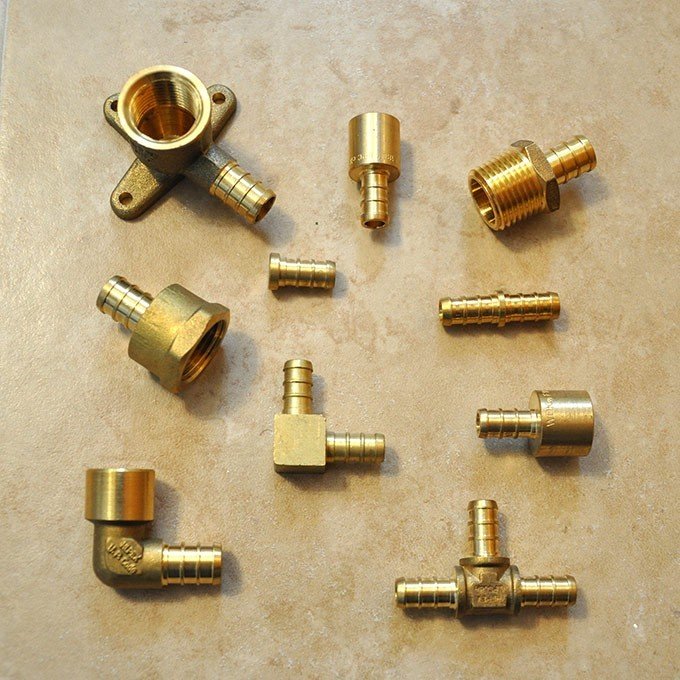
The plan should identify the treatment location, isolation and bypass arrangements, service clearance and any wastewater route. If electricity is needed, the provider should explain how that requirement will be met. A nearby drain or outlet isn’t proof that the connection is appropriate.
For well properties, discuss available supply and any backwashing demand. For septic properties, include wastewater handling in the review. For condos or shared buildings, confirm authorization and the boundary of unit-level work before a contractor alters the plumbing.
Ask how the installer will avoid creating dead spaces, inaccessible components or difficult cartridge changes. You don’t need a professional drawing for every small job, but you do need a clear understanding of what will be installed and how it can be maintained.
Compare completed scope rather than headline price
Two quotes can name similar equipment while including different work. One may include startup verification and appropriate connections. Another may leave those items as assumptions or extras. Compare the same treatment goal, equipment claim, installation scope and maintenance arrangement.
Our treatment quote comparison guide helps organize that information. Ask for itemized inclusions and exclusions instead of trying to decode an attractive single number. Don’t use an invented national “normal price” to settle a project with unknown scope.
A deposit, cancellation term or service agreement should be explained clearly. Read the terms before accepting a promotion. If the company pressures you to decide before it supplies the model information and scope, that pressure doesn’t fill the missing evidence.
Agree on startup checks before installation day
Ask what the provider will inspect or measure after completing the work. Leak checks and fixture delivery are different from contaminant-reduction verification. The project may need both, depending on the treatment goal.
For a laboratory concern, agree on an appropriate post-installation sampling plan and who will coordinate it. An installer saying the water “looks better” doesn’t establish the result. Keep sampling locations, collection instructions and dates with the finished system record.
Also ask for a walkthrough of controls, bypass positions, alarms and routine tasks. A good handoff gives you the manufacturer’s instructions and the correct replacement identifiers. It doesn’t leave you guessing which valve to turn when the first service reminder appears.
Evaluate the support after the sale
Find out how routine service is scheduled, how faults are reported and which replacement parts are available locally. Ask whether independent technicians can service the equipment and what restrictions apply. The answer matters if the original company stops serving your area.
Keep warranty coverage separate from performance expectations. A tank or component warranty doesn’t necessarily pay for every service visit or resolve a changed source-water condition. The provider should explain those limits without promising that maintenance will never be needed.
Choose the installer who can make the proposed work understandable and verifiable. A suitable product, qualified work and a clear handoff belong together. If one is missing, ask for it before signing, even when the other two look impressive.
Questions before you decide
Does product certification establish the installer’s trade license?
No. A product listing and a person’s qualifications describe different things. Verify applicable work credentials separately from the exact equipment’s supported claims.
Should the installer arrange every laboratory test?
Ask who chooses the method, sampling location and laboratory. Important findings should use appropriate analytical evidence, and the proposal should make those responsibilities clear.
What belongs in the final handoff?
The exact equipment and parts, manufacturer’s instructions, service and bypass explanation, startup checks, any required verification plan and unresolved findings should be documented.