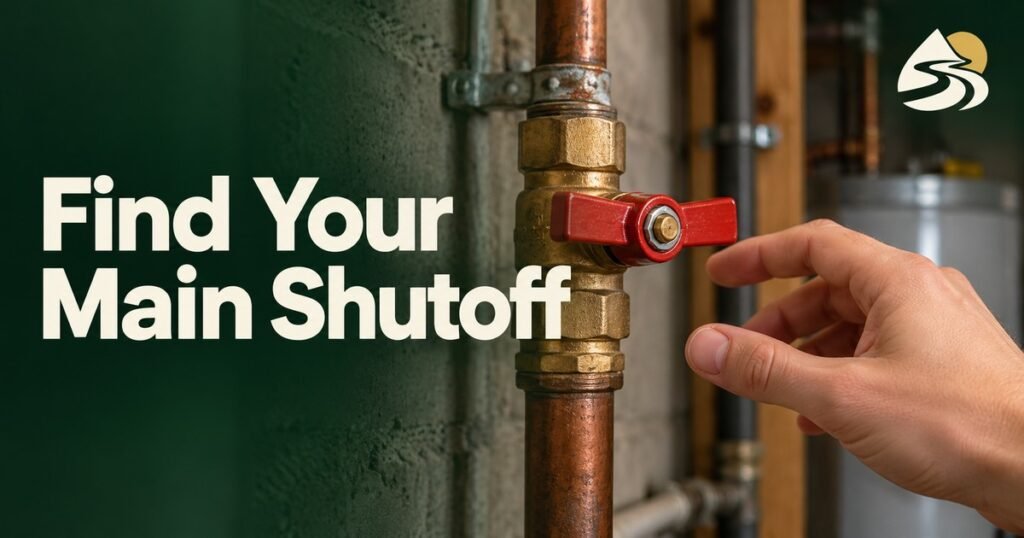
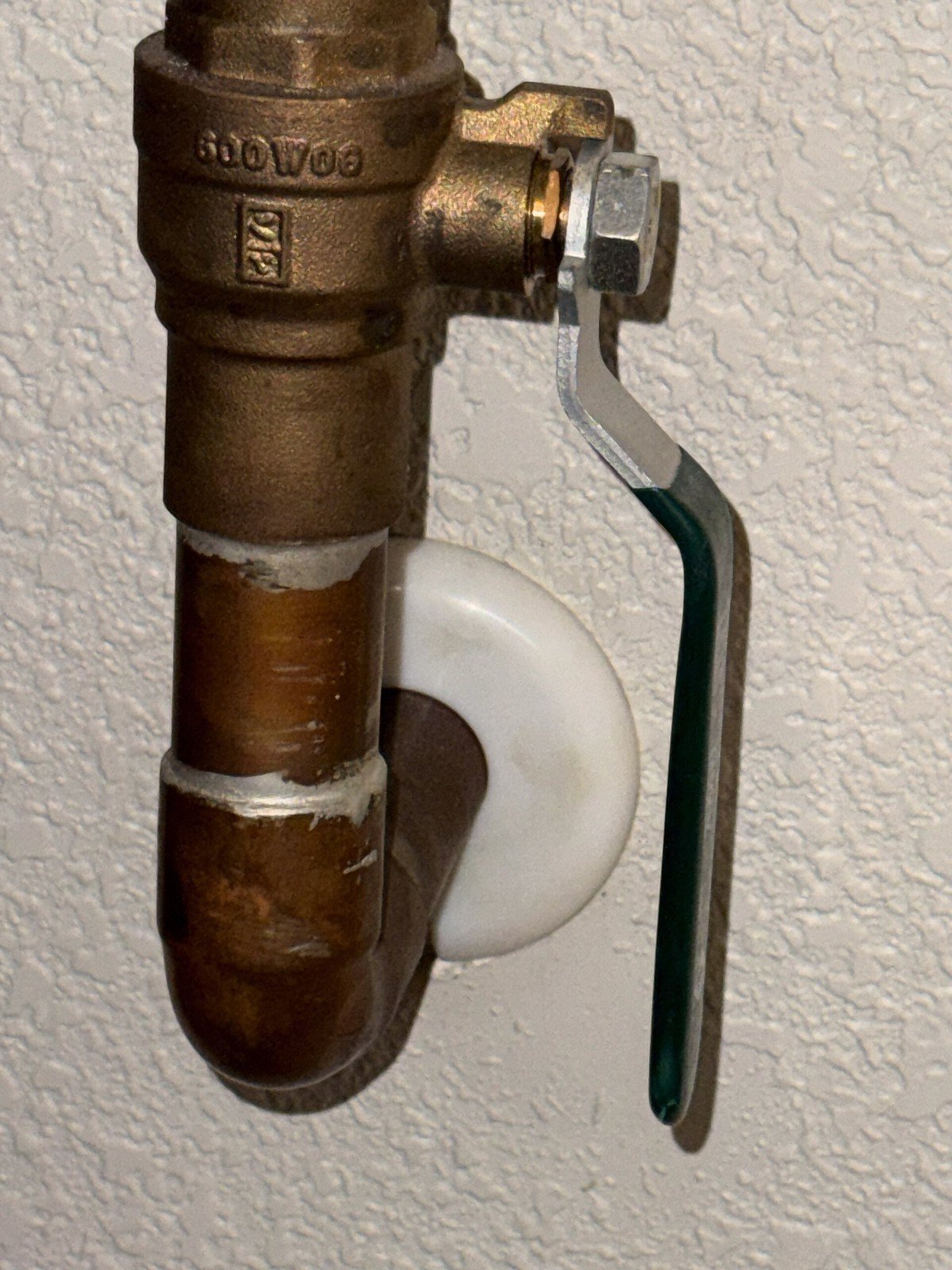
Find your main water shutoff before a leak makes the search urgent. Identify the valve that isolates your home’s supply, confirm who may operate it and label the location clearly. A street-side utility valve is not automatically a homeowner valve.
Don’t force a corroded or stuck valve during a casual check. A broken main valve can turn a preparation task into a leak requiring urgent help.
Start with the supply entry
Look near the point where the water line enters the building, which may be in a basement, crawlspace, garage or utility area. Layouts vary with climate, construction and whether the home uses a private well.
Ask the owner, building manager or plumber if the route isn’t clear. In an apartment, a unit shutoff and a building main can be different valves controlled by different people.
Confirm what the valve controls
A valve beside a water heater may isolate only that equipment. A valve near a filter may isolate or bypass treatment without shutting off the home’s whole supply.
Have the actual main identified. If a test is appropriate, follow a safe plan that accounts for water-using equipment and household occupants. Don’t interrupt equipment that needs a particular shutdown procedure.
Make access realistic
Keep the route clear of boxes, furniture and stored chemicals. A labeled valve behind a locked cabinet is not useful if the only key is missing.
Record the location in a short household note and include a photo. Show another responsible household member where it is. For rentals, keep the maintenance contact and emergency reporting procedure with that note.
A crawlspace location may be difficult or unsafe to access quickly. Ask whether a more accessible approved arrangement is appropriate instead of assuming everyone can crawl under the house during a leak.
A valve that won’t move, leaks at its stem or has obvious damage needs professional attention. Don’t repeatedly exercise an old valve with a wrench to see what happens.
If it is replaced, ask about suitable drinking-water materials, support, access and a clear operating label. Follow local requirements for the work.
Add the secondary shutoffs
Identify appliance and fixture shutoffs where accessible. An appliance valve can limit a localized leak without interrupting the entire home, but only if it is the correct working valve.
Label unfamiliar lines carefully. Don’t mistake a gas valve, fire-protection control or other building service for domestic water. If there is any doubt, get the system identified.
Separate your valve from the utility’s equipment
Portland Water’s plumbing preparation guidance includes preparing for water isolation and keeping the household response clear. Use your own utility’s rules and equipment instructions. A winter-preparation example does not authorize operating an unfamiliar street-side or shared valve.
Street-side or meter-area controls may belong to the water utility and may have rules about who can operate them. Ask the utility or plumber which control is intended for household isolation and who to contact if it fails.
Don’t force a utility valve or improvise a tool because the house valve is stuck. Report the problem and arrange the appropriate service. A broken control can worsen the interruption and make the repair more complicated.
Private-well arrangements also need their own identification. Pump power controls, tank equipment and domestic-water isolation are different functions. Electrical equipment is not something to operate by guesswork from a general household valve article.
Practice the response without creating a leak
Talk through what the household would do if a washing-machine hose or under-sink connection leaked. Identify the accessible local shutoff and the main control, along with the conditions that make either unsafe to approach.
Avoid standing water near electrical equipment, damaged ceilings or unsafe access. Use emergency help when required. A preparation exercise should identify boundaries, not encourage someone to reach through a dangerous situation because they know where the valve is.
Decide who contacts the landlord, plumber or utility. Keep a backup contact for a second home or an absent household. A useful plan connects a known control with a person who can respond safely.
During an actual leak
Avoid standing water around electrical equipment and don’t enter an unsafe space to reach a valve. Contact emergency help where the situation requires it. Shut off water only when it is safe and you know which control to use.
After the supply is restored, follow relevant equipment restart instructions and watch for leaks. If the water supply was interrupted or repairs introduced a water-quality concern, ask about flushing and testing.
Preparation doesn’t require an elaborate plumbing map. A working, accessible valve, a clear label and a household contact plan can save valuable time when a small connection suddenly becomes a large puddle.
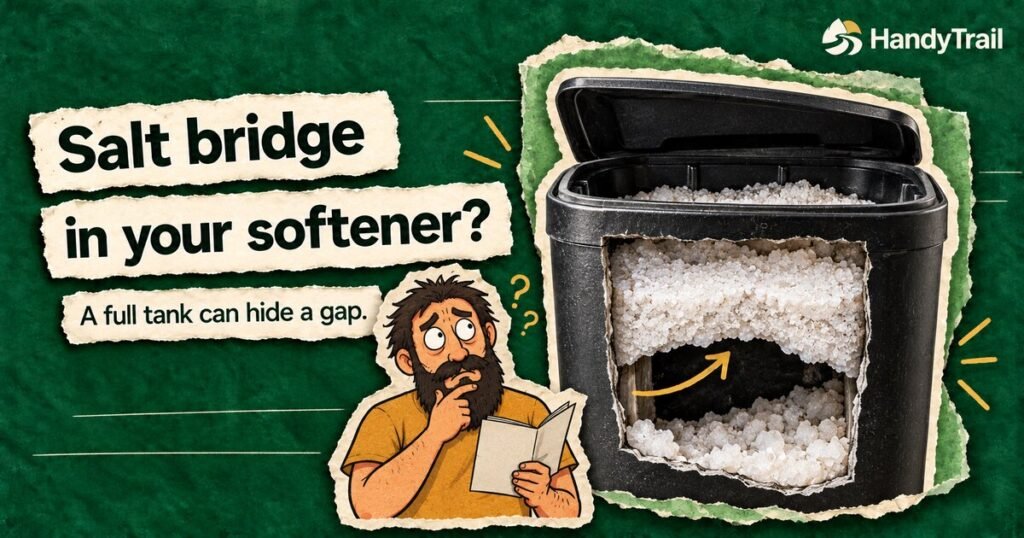
Label treatment valves separately too. A softener drain and service plan can help keep unfamiliar equipment out of the main-shutoff decision.