A bang when the washing machine stops filling may be water hammer, but loose pipes or other plumbing faults can sound similar. Note the exact event that triggers the noise before buying an arrestor or changing the water pressure.
If a pipe or connection is leaking, deal with that first. Don't keep cycling an appliance to reproduce a dramatic noise while a visible leak is growing.
Record the closing event
Write down which appliance or tap causes the noise, whether hot or cold water is involved and where the sound seems loudest. A phone recording from a safe position can help a plumber understand the timing.
Notice whether the bang happens when filling starts, when flow stops or at unrelated times. Those patterns can point to different investigations. A noise that began after plumbing work is particularly worth connecting to that change.
What water hammer means
For a documentation example, Sioux Chief’s arrester explanation describes the pressure disturbance created by a fast-closing valve. Device selection and placement still depend on the fixture and installation.
Flowing water has momentum. A fast-closing valve can create a pressure disturbance when the flow stops abruptly. Some appliances use valves that close quickly.
An arrestor is intended to address that disturbance in a suitable installation. It is not the same as a pressure-reducing valve, and adding one doesn't prove that normal supply pressure is correct.
Ask about pressure and support
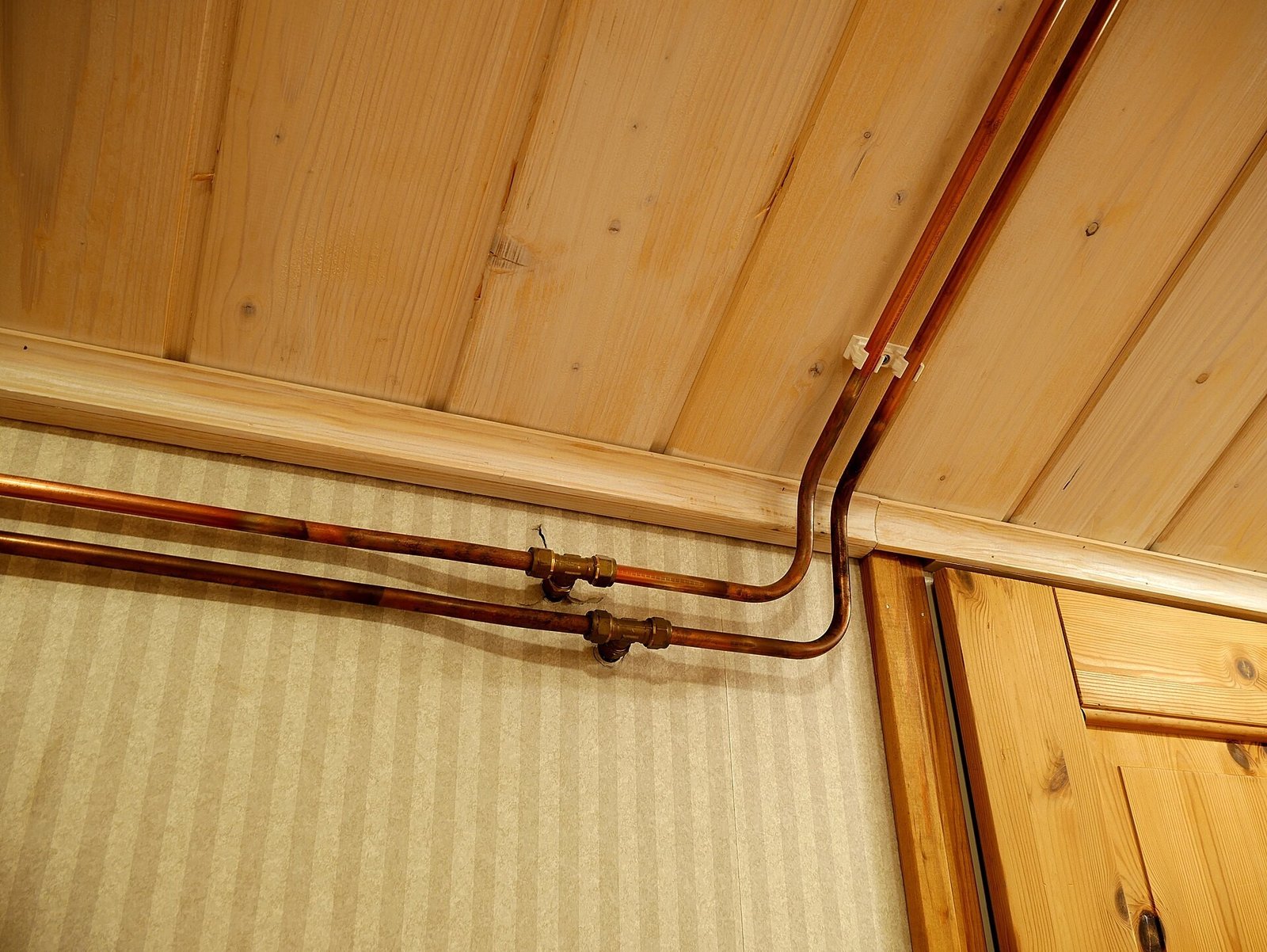
A qualified plumber can check supply pressure, pipe support and the particular closing valve. Excessive pressure or poorly supported pipes can add to trouble, but don't diagnose either from sound alone.
Don't adjust a pressure regulator without understanding the permitted range and the rest of the system. Changes can affect fixtures, treatment equipment and the water heater's expansion arrangement.
Check appliance hoses visually where accessible without moving equipment unsafely. Aging, damaged or kinked connectors deserve their own attention even if the bang has another cause.
Placement matters for an arrestor
The appropriate device and location depend on the installation, appliance and local requirements. A random arrestor on the far side of the house is not a guaranteed fix for a particular appliance valve.
Follow the manufacturer's installation requirements and use approved drinking-water components. If the line lacks a convenient safe service arrangement, have the plumbing work done properly rather than improvising an adapter chain.
Don't revive a guessed air chamber
Older plumbing may contain arrangements intended to cushion pressure changes, but they can have maintenance limitations. Advice to drain every pipe in the house is not a universal repair for every noise.
Ask the plumber what is installed and what evidence supports the proposed fix. That is a better conversation than assuming an invisible chamber exists behind the wall.
A short troubleshooting record
| Record | What to note |
|---|---|
| Trigger | Appliance and the exact point when the bang occurs |
| Water route | Hot, cold or both, if known |
| Recent change | Installation, hose or plumbing work |
| Service finding | Measured cause and the repair performed |
Check the result without overclaiming
After a repair, compare the same appliance cycle and note whether the noise and visible pipe movement changed. Confirm that connections remain dry and ordinary fixture performance is acceptable.
If the bang stops, you have evidence that the specific symptom improved. Continue any recommended pressure or equipment checks. A quiet pipe is welcome, but silence alone doesn't certify the entire plumbing system.
The softener drain-line planning questions also show why new plumbing work should be documented beyond the part price.
For the related investigation, see Pressure regulators and expansion tanks. Why they are different.