A well pump that starts and stops repeatedly can be short cycling. The cause may involve the pressure tank, leaks, controls or another part of the system. Frequent cycling is a reason to arrange service, not a cue to turn the pressure switch screws until the sound changes.
If there is no water, unusual electrical behavior or a visible leak, follow safe shutdown guidance and call the appropriate service professional.
Write down the pattern
Note whether cycling happens only while a faucet runs, after every small draw or when no water is intentionally being used. Record the approximate cycle timing from a safe location.
Check whether toilets, outdoor hoses or appliances could be using water unnoticed. Don't assume the household is idle simply because nobody is standing at a sink.
A safely visible pressure gauge can add useful context. Do not remove electrical covers or approach exposed wiring to collect a better video.
Why the tank is one possible cause
For a documentation example, Amtrol’s well-tank support guidance lists rapid cycling among symptoms that can accompany tank trouble. It does not establish the cause in your installation. The technician still needs to distinguish tank, control, leak and supply conditions.
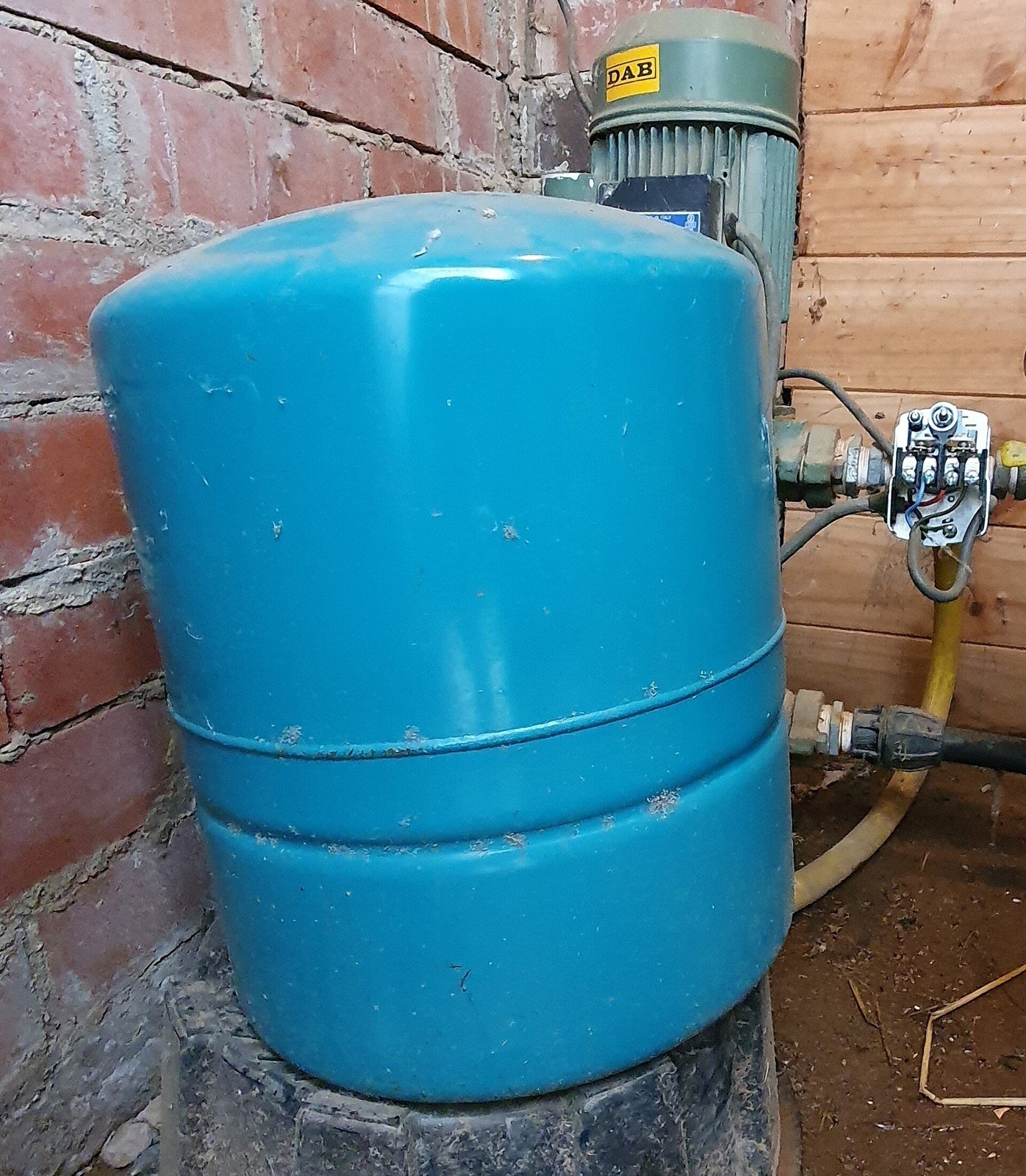
The tank helps provide drawdown between pump starts. If it has lost its intended air cushion or another fault reduces effective drawdown, small uses may trigger repeated starts.
The tank's label, age and design matter. Air-over-water and captive-air designs have different service needs. Adding air without identifying the tank can create a new problem rather than solve the old one.
Leaks can imitate a usage pattern
Water leaving the system through a leak can cause pressure to fall and the pump to restart. The leak may be visible at a fixture or hidden in a line. Check accessible areas without digging or dismantling pressurized plumbing.
If a shutoff test is proposed, have it planned for the actual system. Closing the wrong valve can isolate equipment unsafely or interfere with controls. A qualified technician can use isolation and measurements to locate the relevant part of the system.
Controls and supply deserve attention too
A pressure switch or sensing passage can develop problems. Pump performance and available well water can also affect delivery. Short cycling does not prove that the tank alone has failed.
Provide the technician with recent work history and any changes in water quality or demand. A new filter, replaced pump or altered irrigation schedule may help explain when the pattern began.
A larger appropriate tank can change drawdown, but sizing belongs with the pump, control arrangement and household demand. Some systems use different control strategies that require a specific design.
Ask for the reason behind the proposed tank or control change and the measurements supporting it. More gallons on a label are not a diagnosis.
A short troubleshooting record
| Record | What to note |
|---|---|
| Demand | During faucet use or when no water is intentionally being used |
| Pattern | Approximate starts and stops observed safely |
| Other water use | Toilets, irrigation and appliances operating at the time |
| Follow-up | Technician’s identified cause and comparison after service |
After the repair
Compare operation under the same demand that caused the cycling. Save the service record, settings and replacement identifiers. Check accessible joints for leaks as directed.
If the well was opened or repaired, ask whether disinfection, flushing and water testing are required before drinking use. A quiet pump and stable gauge reading confirm mechanical behavior, not microbial water quality.
A clear observation record helps the technician start in the right place. It also protects you from buying a part because it is the easiest one to see.
Keep any related water-quality change connected to the well-water laboratory report instead of treating stable pressure as proof of water safety.
For the related investigation, see Well pressure tanks. Separate tank trouble from pump trouble.