A home plumbing inventory is a record of what you can identify, where it is and what still needs confirmation. Start with existing invoices and accessible product markings, then add photos of visible runs and connections. You don't have to identify every concealed pipe to make a useful record.
The inventory can help with a remodel, treatment-system installation or repair conversation. It cannot prove drinking-water safety or certify the condition of the whole house. Keep those questions separate so a useful photograph doesn't become evidence for something it cannot show.
Begin with the documents already available
Look for installation invoices, remodel records, inspection notes and equipment manuals. A previous owner may have replaced one bathroom or a short repair section while leaving other runs unchanged. Record the stated work area and date instead of labelling the entire house from one invoice.
Check whether a document names a material, product or connection system. A phrase such as new plumbing may describe a small job without enough detail to establish what was installed. Preserve the document, then list the missing information as a question for the original provider or a qualified installer.
Utility service-line records belong in the inventory too, but in a separate section. The EPA's service-line guidance concerns the supply connection. It should not be treated as a description of every indoor pipe in the building.
Create a location list before taking close-ups
Give each accessible area a plain name, such as kitchen sink supply, basement ceiling run or water-heater area. Use the same names in your photos and notes. You want another person to understand where a close-up was taken without having to recognize the wallpaper.
Take a wider photo of the setting and a closer photo of readable markings or connections. Keep original images with dates. Avoid adding a material label to the photo until it has been identified reliably. A filename that says unknown kitchen supply is more honest than a guessed brand name.
Don't dismantle a connection, cut a sample or open a wall to complete this record. If a section is concealed or unsafe to access, write that down. A professional inspection can be requested around a particular need rather than turning a household documentation exercise into invasive work.
Treat appearance as a clue
Metal and plastic supply materials can look similar after painting, insulation or years of use. A tube's color can help describe the scene without proving its product family or intended use. Record what you see, then check markings and documents.
For PEX, the PPI overview identifies relevant tubing and system standards. Product markings are a better starting point than the manufacturing color. Even when the tube is identified, the fitting and joining method need their own confirmation.
Do not scratch, scrape or disturb unknown material as a general identification method. The utility may have a specific service-line identification process, but that isn't a reason to improvise on every painted or concealed pipe in the house. Ask for the process appropriate to the location and material question.
Record mixed installations honestly
| Location | Identification status | Useful evidence |
|---|---|---|
| A recently remodeled room | Documented only for that room | Invoice, product description and visible markings |
| A visible basement run | Partly identified | Wider photo, close-up and readable lettering |
| A concealed route | Unknown | Known entry and exit points, plus the inspection question |
| A treatment-unit connection | Model-specific information needed | Equipment manual and connection photos |
| The incoming service line | Utility and site confirmation needed | Current utility record and any verified site information |
Mixed installations are not automatically defects. They are a reason to preserve the actual transitions and ask whether those connections are appropriate. The inventory should describe the house rather than make it appear uniform for the sake of a neat spreadsheet.
If a contractor later identifies a section, save the answer and its scope. “Visible run above the utility sink” doesn't identify a concealed upstairs run. Carry the location name into the updated record so the answer is not applied more broadly than intended.
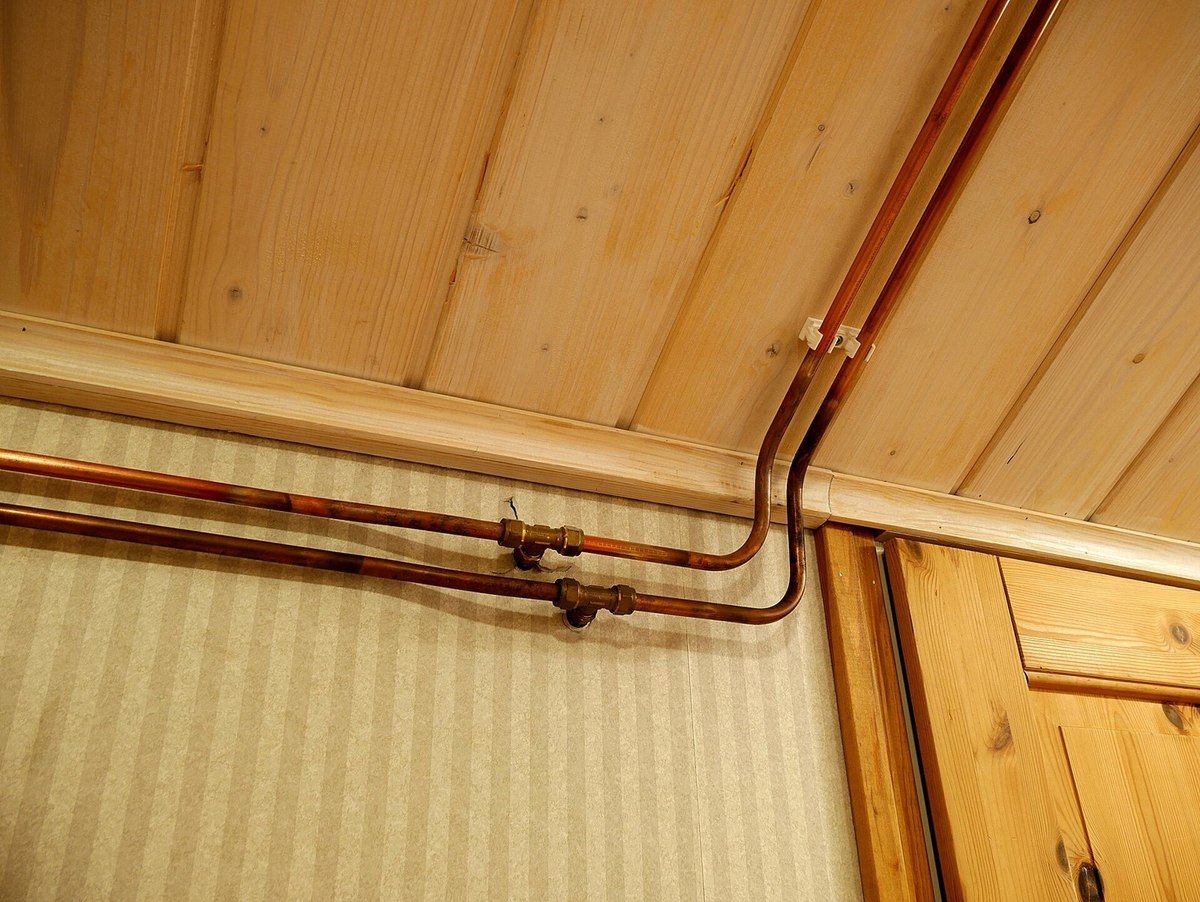
Include treatment equipment without merging the records
A filter, softener or RO system can use connections different from the surrounding distribution. Keep the exact model and installation manual with that part of the inventory. Ask which tube and fittings were specified and whether the system needs independent support or service clearance.
A drain connection is also different from a drinking-water supply line. Record its purpose so a later parts conversation doesn't treat two similar-looking tubes as interchangeable. The same principle applies to a bypass valve or other equipment control that might be confused with a household shutoff.
Our equipment record provides a place for models, manuals and service details. The plumbing inventory adds the location and route information around those devices. Each document is more useful when it clearly points to the other without pretending to be a complete inspection report.
Keep the water-heater record distinct from the filtration record as well. For Canadian installations, our heat-pump water-heater planning guide explains the room-air, space and condensate questions to document before choosing equipment.
Add condition observations separately
Note accessible moisture, corrosion, damage or an unfamiliar stain with the location and date. Keep that observation separate from the material identification. A stain does not establish the pipe's material, the cause of the stain or the condition of a buried section.
For a drinking-water concern, use an appropriate test or utility investigation rather than trying to judge safety from the inventory. Our water-testing guides help distinguish supply information, household sampling and different kinds of measurements. An identified pipe may still raise a water question, but the photo cannot answer it alone.
If a visible problem needs attention, describe it plainly to the responsible person. A small drip recorded beside a cabinet is more actionable than an unsupported claim that the house needs complete repiping. Let the assessment establish the repair scope.
If the observation is water beneath a kitchen sink, our under-sink leak guide helps separate supply and drain questions. Record the symptom without dismantling unfamiliar connections to complete the inventory.
Use the inventory when requesting a proposal
Send the relevant location records with the reason for the planned work. A contractor comparing treatment connections needs different information from one investigating an outdoor supply route. Don't overwhelm the request with unrelated photos while omitting the exact equipment model.
Ask the provider to identify what can be confirmed from the record and what needs a visit. Photographs have limits, especially for concealed connections, dimensions and condition. A responsible answer may leave some items unresolved until the site is inspected.
Use our pipe guide for the next questions about climate, chemistry and local approval. Identification comes first, but it doesn't select the best replacement material by itself.
Give each photo a place in the inventory
Use a simple reference such as “B01 basement utility sink” for one location. Name its wide photo and close-up with the same reference, then add the date. In the record, distinguish what the photo shows from what a document confirms. “Blue flexible tube visible” is an observation. A named PEX product belongs in the confirmed field only when the identification supports it.
Keep the evidence reference beside the entry. That could be the complete marking photo, an invoice for that particular room or a dated reply from the installer. If the reply identifies only one visible connection, record that boundary rather than applying it to the concealed route.
When you share the file for a repair visit, send the relevant location entries instead of an unlabeled camera roll. A contractor should be able to find the area, see the useful evidence and understand the remaining question. The inventory can stay small while still being practical.
Keep the record current after work
After a repair or remodel, add the installed product information, changed location and completion date. Preserve the older record with a note about what was replaced. Future work may involve a section that wasn't part of the new project.
A useful inventory ends with confirmed information and a short unknown list. That is enough to improve the next maintenance conversation. You don't need a guessed material in every box to make the document complete for its actual purpose.