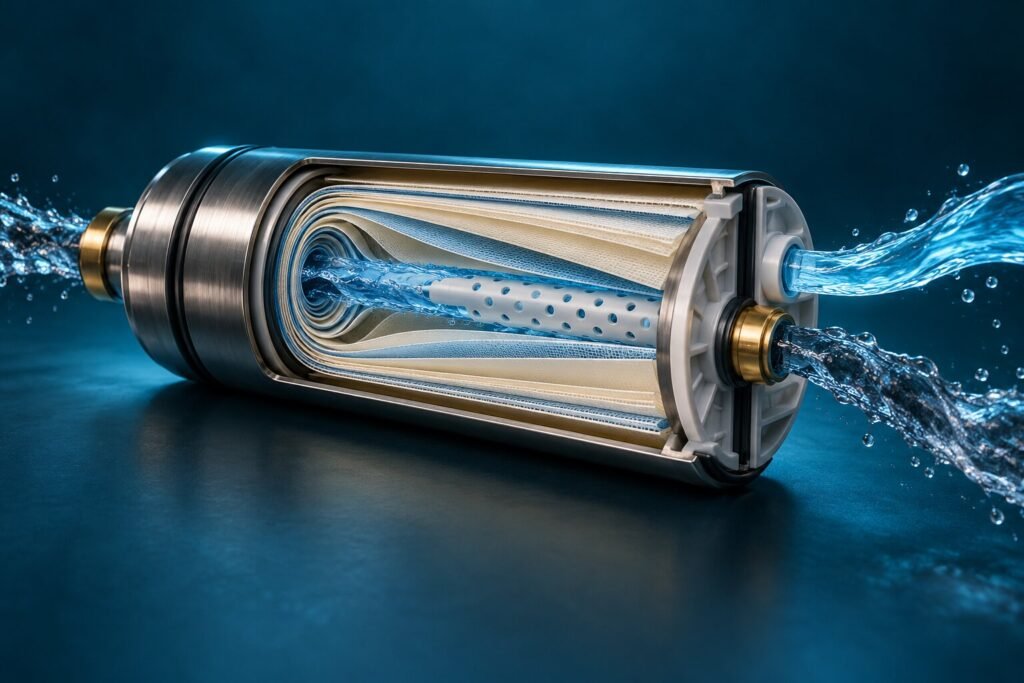
Reverse osmosis produces a treated-water stream and a separate reject-water stream. The reject stream carries material that doesn't pass through the membrane under the system's operating conditions. Sending that stream to the specified drain connection is part of the system's design.
Don't disconnect the drain line to stop apparent waste. If the drain behavior changes or the system seems to run continuously, use the exact model's troubleshooting instructions or qualified service help.
Two streams, two different jobs
EPA describes RO as a pressure-driven process through a semipermeable membrane. The treated stream is often called permeate. The reject stream may be called concentrate or brine.
These names don't establish which contaminants a particular device reduces. Check the exact system's claims and the relevant water result. A working drain connection doesn't prove that the membrane is doing every job a seller promises.
The RO vs carbon guide explains why the technologies aren't interchangeable. A system can be useful for a particular task without being necessary for every household.
Read the ratio before comparing numbers
Ask what the numerator and denominator represent. A reject-to-treated ratio of 2 to 1 means two gallons of reject water for each gallon of treated water. If the household produces one gallon of treated water, the combined feed volume in that simplified example is three gallons.
That example explains arithmetic, not the performance of your equipment. A ratio written in the opposite direction means something different. A marketing statement about recovery, efficiency, or waste should include its definition and test conditions.
Rated performance and household performance can differ with the system and its water conditions. Don't assume a headline ratio describes every refill cycle in your kitchen.
Where WaterSense helps
EPA's WaterSense information explains that labeled point-of-use RO systems must meet efficiency and performance criteria. It also states that RO isn't being promoted for every application. Start with whether you need the treatment, then compare systems that fit the job.
Use the current EPA information and the exact model's listing. A company selling one labeled model doesn't establish that all its products have the label. Our RO efficiency guide explains what to compare before buying.
Avoid turning a rating into a fixed monthly water bill. A household estimate needs your treated-water demand, the applicable performance assumptions, and your actual utility rates.
Investigate a change in drain behavior
Write down when the change began, whether a cartridge was replaced, and whether the treated-water output changed. Record alarms or other controller messages exactly. A sound at the drain isn't enough to identify a failed part.
Don't apply a generic pressure setting or shutoff procedure found for another system. Use the model manual and contact the manufacturer or service provider if the behavior is unclear. A tank-equipped system and another design may not follow the same cycle.
Our RO replacement guide helps keep the different stages and their instructions separate. Maintenance intervals should come from the appropriate documentation.
Can you reuse the reject water?
Don't assume the reject stream is suitable for drinking, food preparation, irrigation, or another household use. Its suitability depends on the source water, contaminants, concentration, the proposed use, and local requirements.
If reuse is proposed, get specific advice rather than installing an improvised hose arrangement. Cross-connections and drain changes need qualified assessment. A generic water-saving idea isn't a plumbing design.
The useful goal is selecting appropriate treatment and efficient equipment, then keeping it operating correctly. Interrupting a designed drain path is not a shortcut to that goal.
Sources and further reading
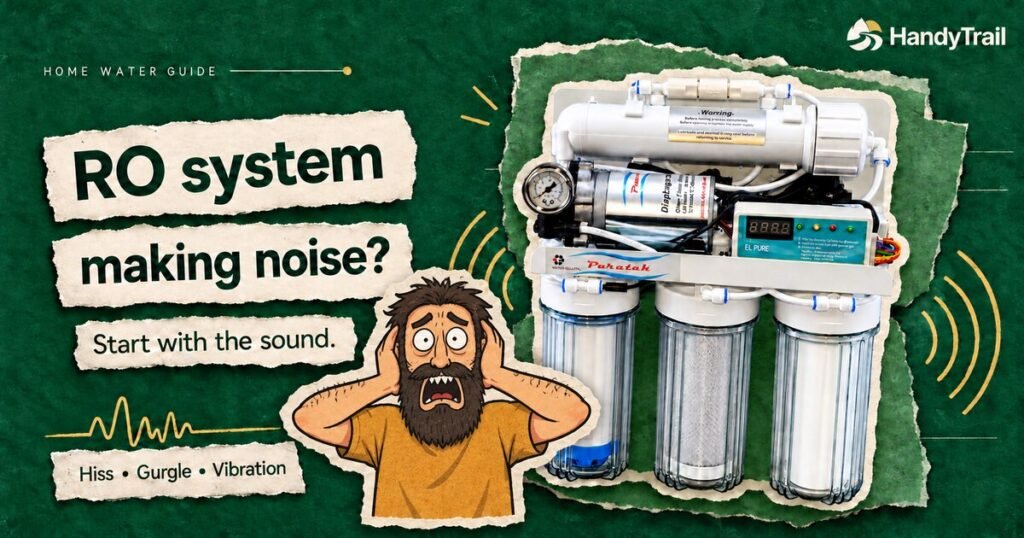
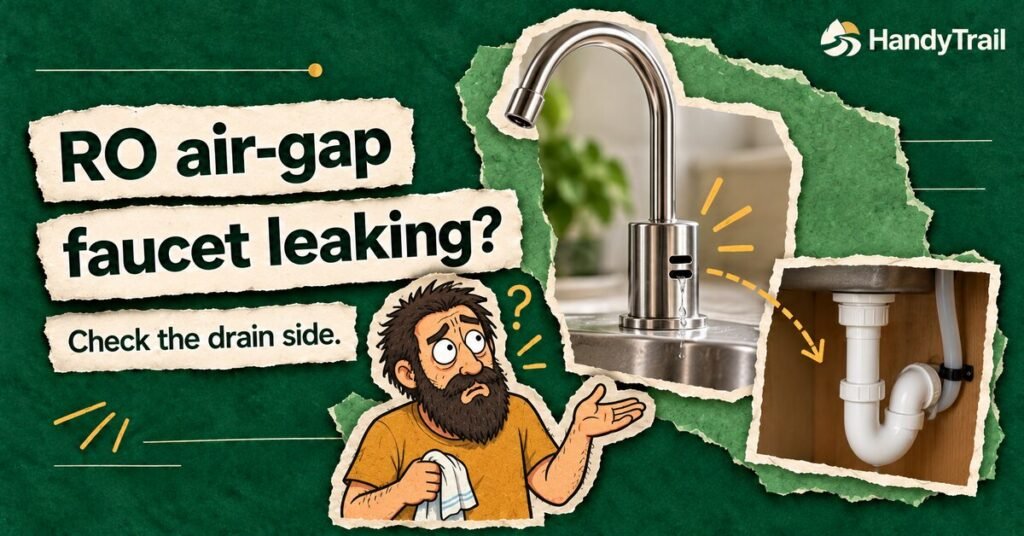
Water escaping from the faucet vent needs an RO air-gap leak investigation. If the concern is a sound without a visible leak, record the operating stage using the RO noise guide.