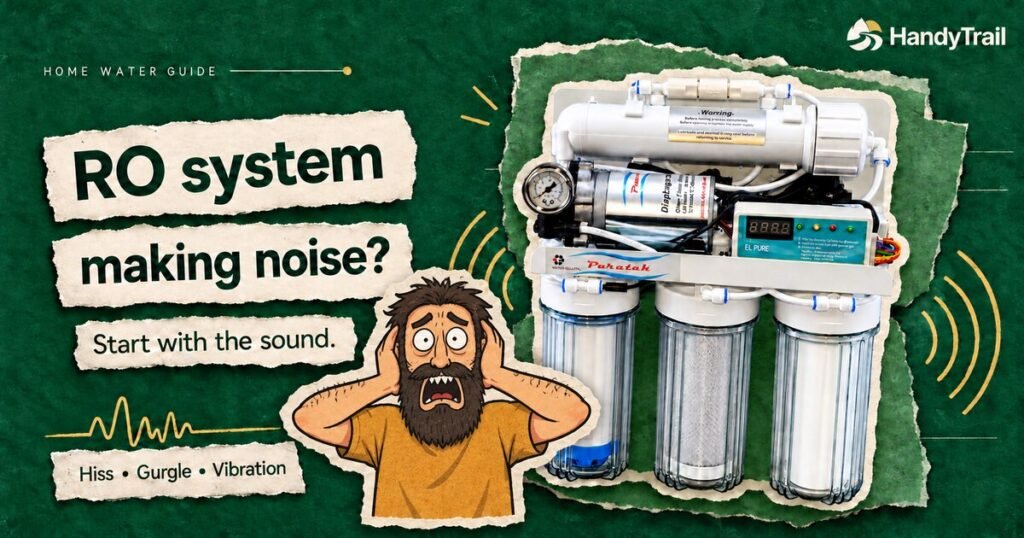
A storage water heater that pops or rumbles may have accumulated deposits, but the sound alone doesn’t establish that diagnosis. Note when the noise occurs, identify the heater and arrange the right service check. Don’t raise the thermostat, remove the anode or pour a descaling product into the tank to see whether the noise stops.
Scale and loose sediment aren’t exactly the same problem. The first can form from dissolved minerals under suitable conditions. The second can arrive as particles or collect inside the equipment. The difference matters when you’re comparing maintenance with a proposed water-treatment purchase.
First separate routine investigation from an urgent problem
A new noise with a gas odor, a carbon monoxide alarm, smoke, an electrical burning smell or a significant leak needs an emergency response appropriate to the hazard. Leave an unsafe area and contact emergency services or the gas utility as appropriate. Don’t stay beside the heater trying to capture a better recording.
For a noise without those warning signs, record whether it happens during heating, while water is being used or just after a fixture closes. A brief recording from a safe location may help a technician. Keep access panels and safety devices in place.
Water around the heater also needs attention. Describe where it appears and whether it changes while the unit runs. Don’t plug a relief-valve outlet or redirect its discharge into a closed container. A safety valve isn’t an inconvenient leak to defeat.
Check the model, fuel type and installation date before searching for explanations. Instructions for an electric storage heater don’t apply automatically to a gas unit, a heat-pump model or a tankless appliance.
What the sound can and cannot tell you
For a documentation example, Rheem’s explanation of water-heater noises connects some popping and rumbling sounds with deposits. It also distinguishes other sounds and warning signs. That makes a model-specific inspection more useful than diagnosing the heater from a sound description alone.
Deposits can contribute to noise in some storage heaters, including around electric heating elements. Gas equipment can also produce sounds associated with condensation and heating. The same everyday description, such as popping, can therefore refer to different conditions.
Ask the technician to connect the sound with an actual observation. Has the equipment been inspected? Is there evidence of deposits, a failing component or another cause? A treatment recommendation should follow that investigation rather than substitute for it.
If a bang happens when a washing machine or another fixture closes, mention that sequence. Noise carried through pipes may be mistaken for a sound originating inside the heater. Location and timing are more useful than choosing the most dramatic description.
Don’t use noise as a hardness test. Measure the source water with an appropriate method, and keep the result’s units. Our hardness-testing guide explains why a visible deposit and a measured water result answer different questions.
Gather a short equipment history
Find the manual, warranty terms and prior service invoices. Record whether the heater has received the maintenance specified for its model. If the home already has a softener, note whether the heater is supplied through it and whether the softener has been operating normally.
List recent changes such as plumbing work, a new treatment system, a supply interruption or a thermostat adjustment made by someone else. An event that preceded the sound is worth documenting even when it doesn’t prove the cause.
Describe performance alongside the noise. Does hot water run out earlier? Has reheating changed? Is a breaker tripping? Are there leaks? A service visit focused only on the sound may miss another symptom you already noticed.
For a rental, report the concern to management with this record. Avoid opening the appliance or attempting a drain procedure. You can provide useful evidence without taking responsibility for an unfamiliar heater’s repair.
Maintenance needs the actual heater procedure
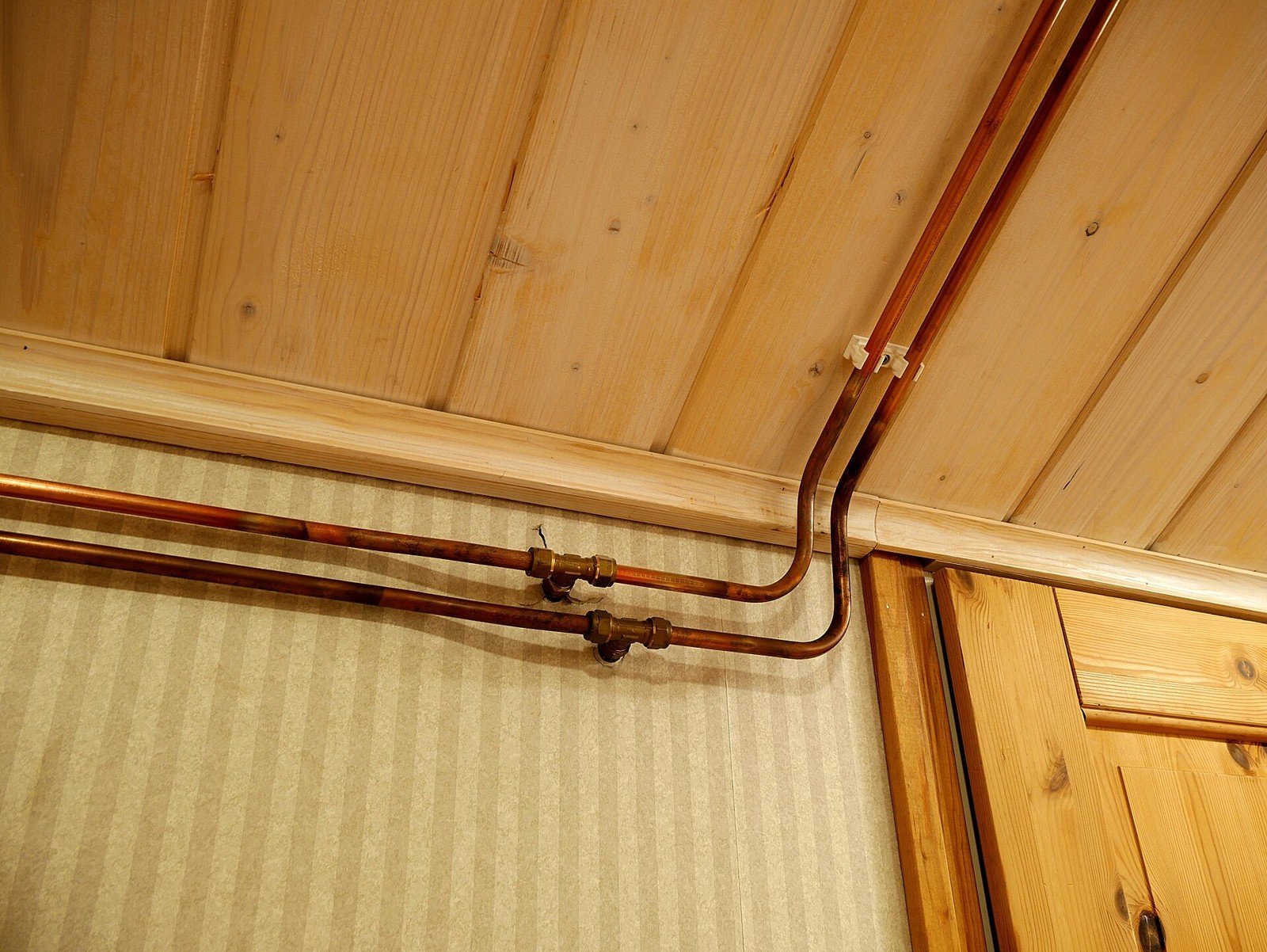
Draining or flushing a storage heater involves hot water, pressure, energy sources and model-specific restart requirements. Have a qualified person handle it if you can’t follow every part of the manual safely. A short online demonstration may omit the step that matters for your heater.
Ask what the service includes. Flushing loose material is different from replacing an element, examining the anode or addressing a control problem. A quote should name the work, not simply promise to make the tank quiet.
For an electric heater, restoring power before the tank is properly filled can damage equipment. Gas and other models have their own shutdown and restart requirements. That is why this guide doesn’t provide one draining sequence for every household.
Don’t remove an anode to address odor or noise without the manufacturer’s direction. Don’t use an arbitrary acid or cleaner inside the tank. Approved maintenance protects both equipment operation and the water that passes through it.
Would a softener help this particular problem?
An ion-exchange softener reduces hardness in water flowing through a correctly operating system. It doesn’t remove every kind of sediment, repair a heater or establish that existing deposits have disappeared. A quiet heater isn’t a valid test of softener performance either.
Before accepting a treatment quote, ask for the untreated hardness result, the planned treated result, the service flow and the maintenance requirements. Confirm which outlets will receive treated water. The softener-versus-filter comparison can help separate hardness treatment from particle filtration.
If a salesperson describes a device as preventing scale, ask which claim applies to the exact model and how it will be verified. A scale-management claim is not automatically the same as measured hardness reduction.
Consider the heater’s condition and remaining repair options separately. It makes little sense to compare a treatment purchase with an undefined repair. Get the appliance diagnosis first, then decide whether changing the incoming water addresses a documented need.
Compare service options on a common basis
Request separate prices for inspection, approved maintenance, necessary repair and replacement where relevant. Ask whether permits, disposal, installation changes and warranty terms are included. An older tank and a new treatment system are two decisions, even if they appear on one proposal.
For example, imagine a technician finds deposits and a worn heating element. Replacing the element and performing approved maintenance may be one option. Adding hardness treatment is a separate proposal that needs a water result and a household budget, not a promise that it will repair the element.
After service, keep the invoice, identified cause and any water measurements together. Observe whether the sound and hot-water performance change under normal use. If symptoms persist, contact the technician with the new pattern rather than repeating the same maintenance blindly.
Your record should end with an answered question. What caused the concern, what work was done, and what needs checking next? That is a better result than a quiet afternoon followed by uncertainty about whether the heater is operating safely.
Keep noises and water-quality concerns in separate notes
Suppose the heater begins rumbling at the same time a household notices rusty-looking hot water. Report both observations, but don’t decide that one proves the other’s cause. Record whether cold water is also affected and whether the sound changes during heating. The technician may need to inspect several conditions rather than perform one assumed scale treatment.
If water-quality testing is advised, ask where and how to collect the sample. A sample from an arbitrary hot tap may not answer the question the professional is investigating. Keep the lab instructions and results distinct from a hardness-strip reading.
After the visit, ask for a plain explanation of each finding. If the sound is expected for the model but discoloration remains unresolved, the service record should say so. Closing one part of the investigation shouldn’t silently close the other.
For the related investigation, see Pressure regulators and expansion tanks. Why they are different. Water hammer when an appliance stops. Document the closing event.